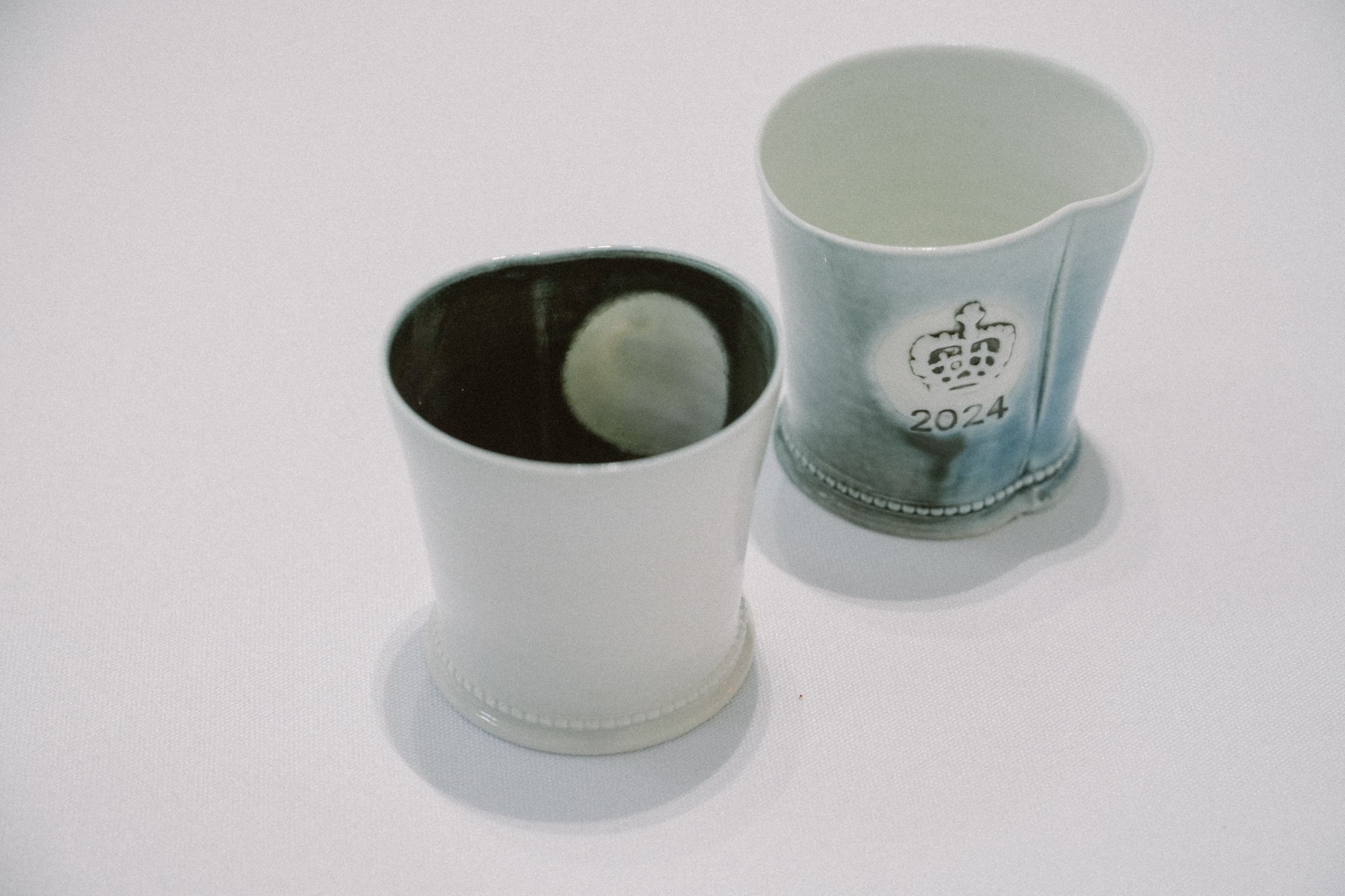
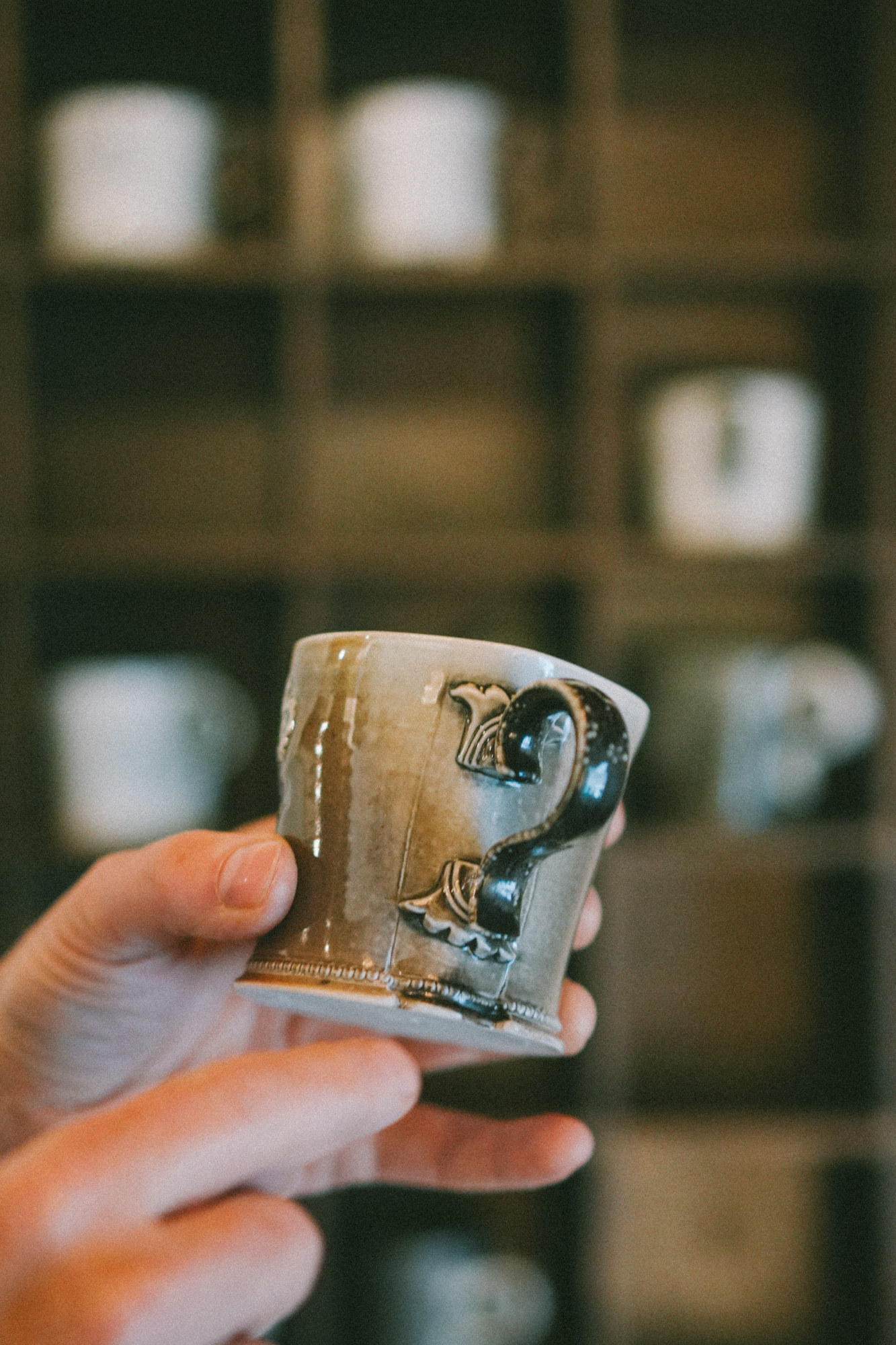
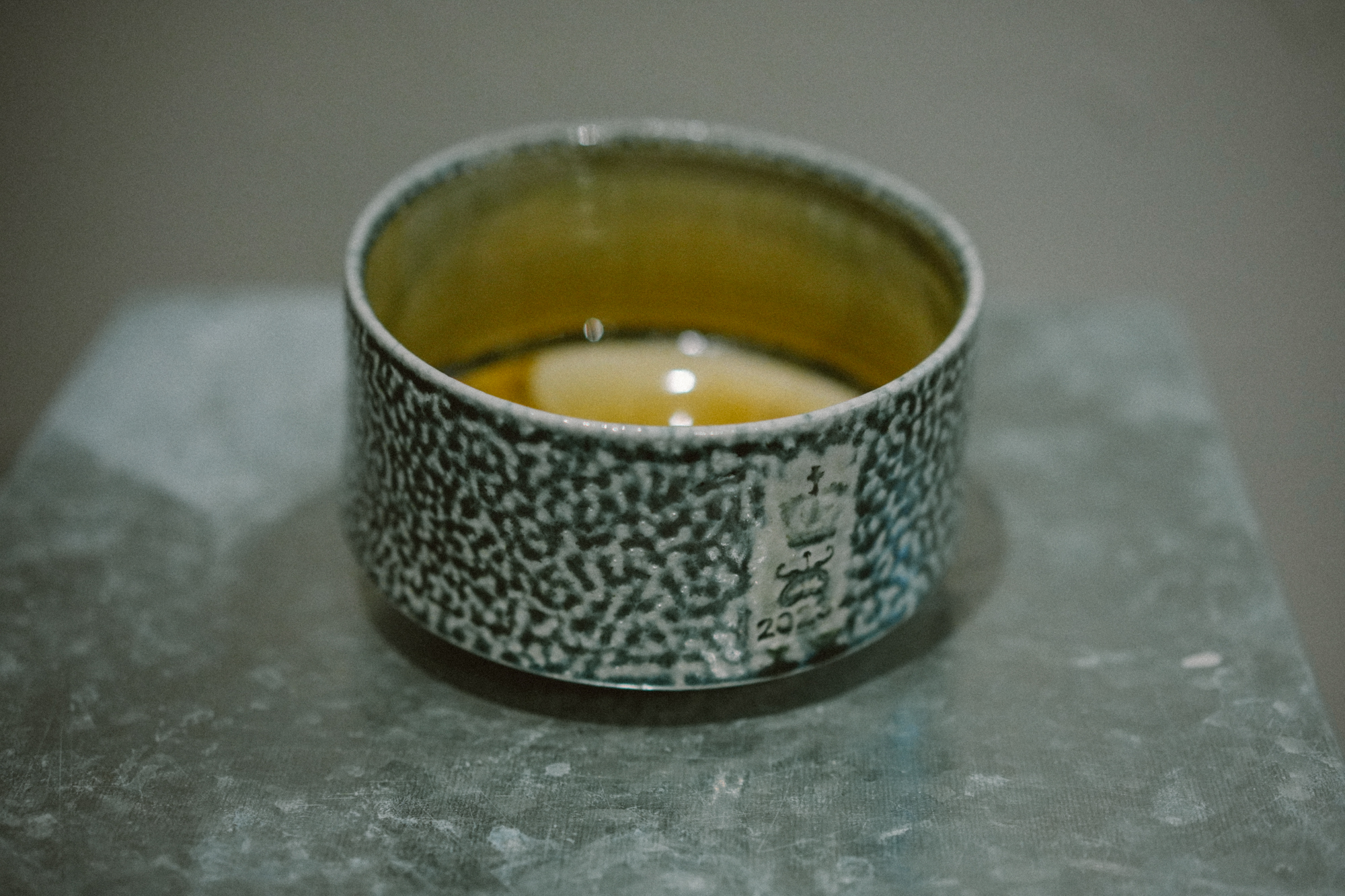
想起初次使用到Harrison的杯子,是在他2021年的「Mug-Cup: A Thirty-Year Retrospective」展覽,由九十年代至今,在創作這小小的容器上,他一直尋求變化。「展覽中有他最著名的作品——瓷泥和陶泥結合的杯子,這兩種不相融的物料很容易在燒製過程中破裂,但他找到了成功的秘訣。這系列很受歡迎,若他大量製作,一定能賺很多;但他沒有,相反地一直挑戰自己作不同的嘗試,這種精神令人很佩服。」展覽的策展人Alex說,他們合作的五年間,一直看到Harrison在創作上的轉變,好像他說不想再做桌子了,只因不想被定義為家具設計師,他還是想專心做杯子。直至上月他首次來香港舉行「最後的晚餐」(Last Supper)展覽,接觸他本人後,立即被他對陶藝的熱情所感染,談話中他拿著自己做的杯子,一直說:「它真的很美麗!對我來說是如此完美!」他笑說,「我經常在家一邊細看、一邊讚嘆它們,這時候,我太太Julia會以奇怪的目光問我在做什麼,我會說我只是看著它們。」這時我們才明白,原來接觸到創作者本人,更喜歡他的作品是真的呢。
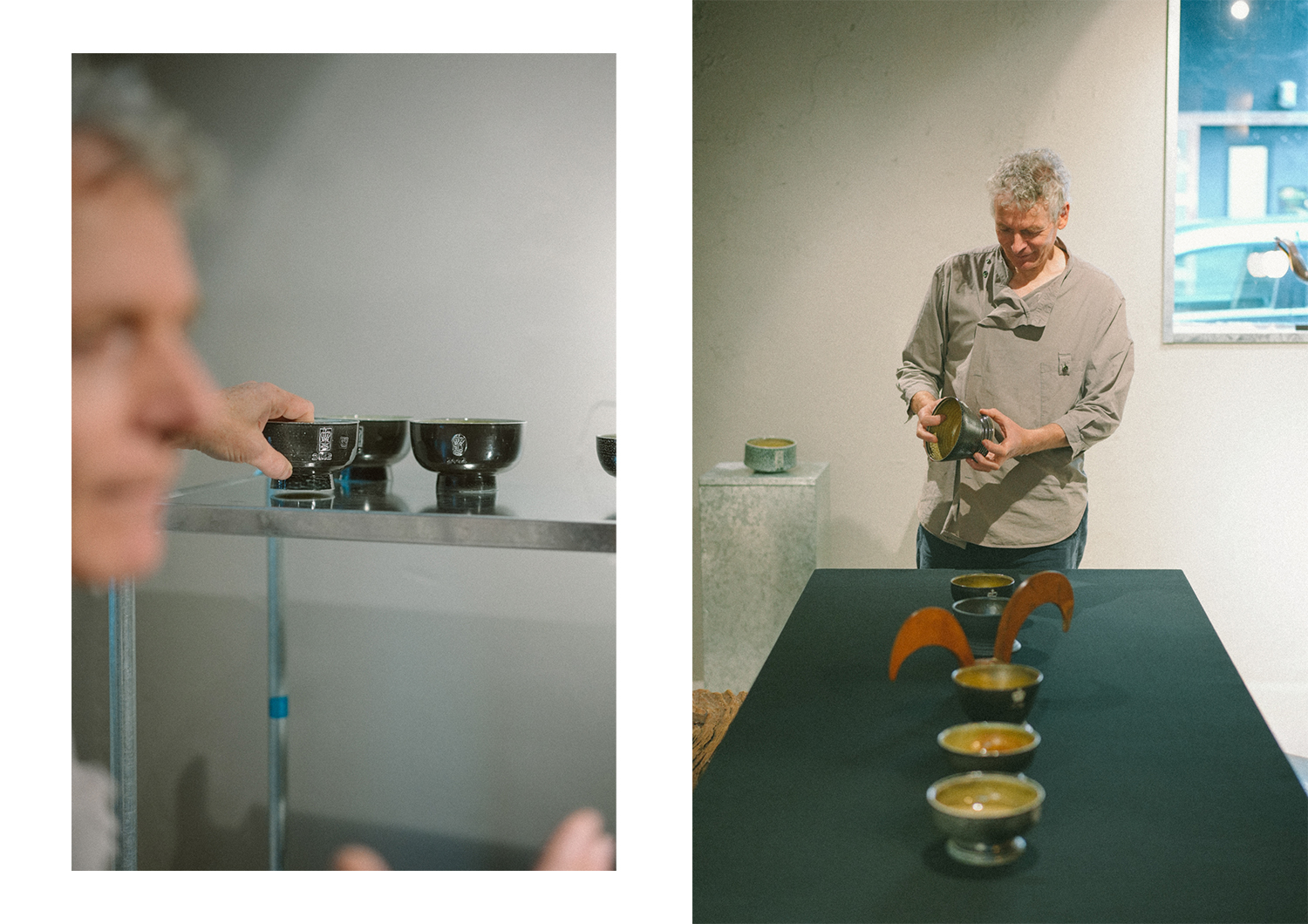
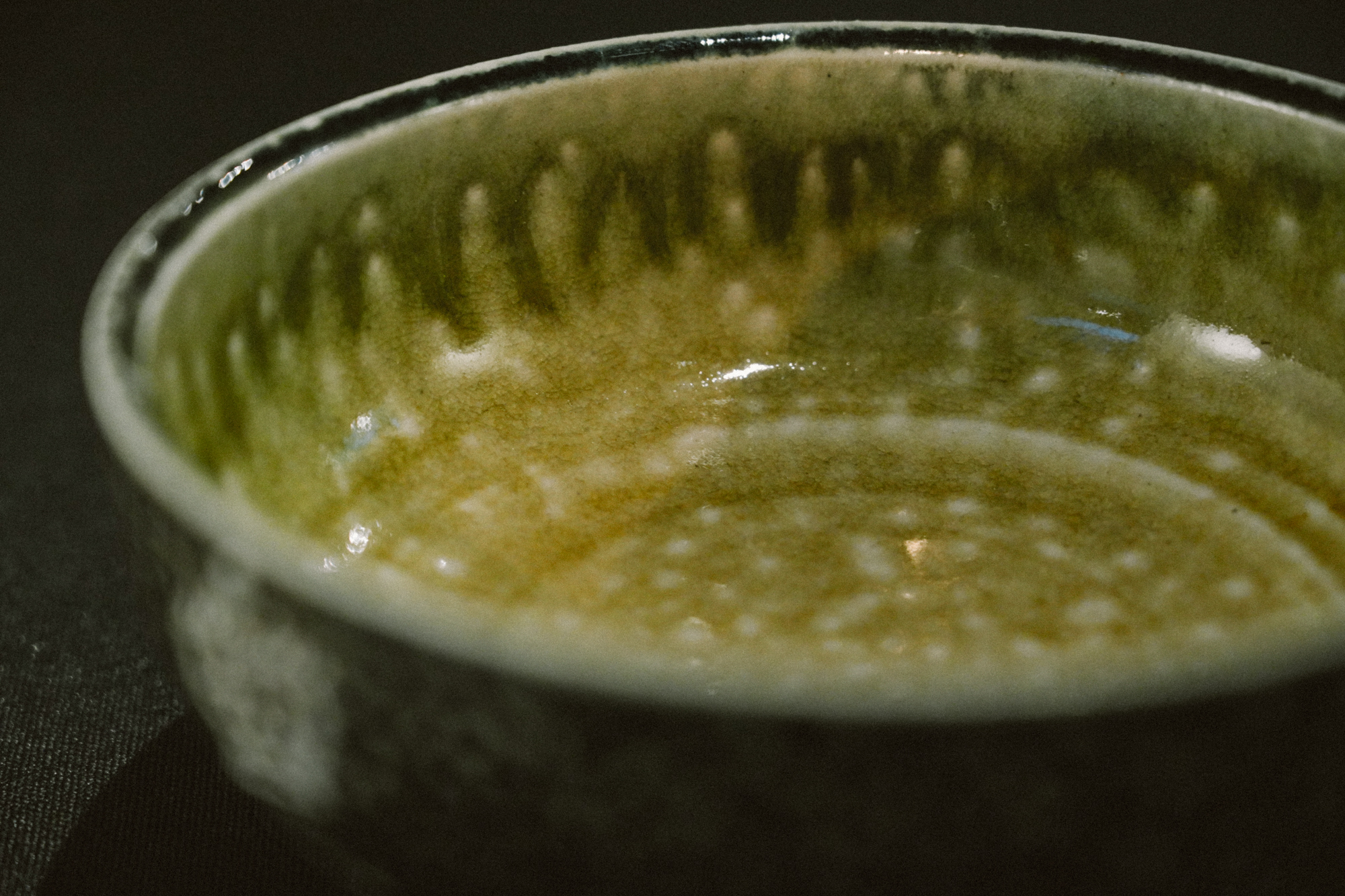
「疫情讓我重整了生活,我看著放滿櫃子的器物,思考著如果一輩子只用一件器物,那會是什麼樣子?」於是Harrison做了3隻如手掌大小、外表光滑的中式碗,他不太滿意它們看起來過於簡潔,雖然Alex說很喜歡它們。展覽的序言中,Harrison引用了Nigel Slater的名言「to live with and be buried with」,最終長伴自己的,必然是最喜歡的吧?「我決定做回自己的風格,融入英式傳統銀製餐具上常見的高腳,並把碗做大一點,同時保留最簡單、純粹的外表。這些灰色的闊口碗(Beaker)可以拿來飲水、放些簡單的食物,或是拿來洗臉。」碗的外型略有不同,但都是用同樣的釉料、做法,Harrison想它們看來一樣又帶點不同,所以用了世界不同地方的陶泥來製作。「這些陶泥擁有不同的特性,好像是韓國的陶泥夾雜了比較大的沙石,質感比較粗糙,提高了燒製上的難度。」
“I’ve always admired Steve’s work. Last year, I visited his studio in London, and spending time with him deepened my appreciation for his art. He is genuinely a wonderful person, and I’m honored to be part of this exhibition.” In a recent interview, Japanese designer Jun Takahashi shared his admiration for British ceramicist Steve Harrison, mentioning that he collects many of Harrison’s pieces and uses them daily, guided by his mood.
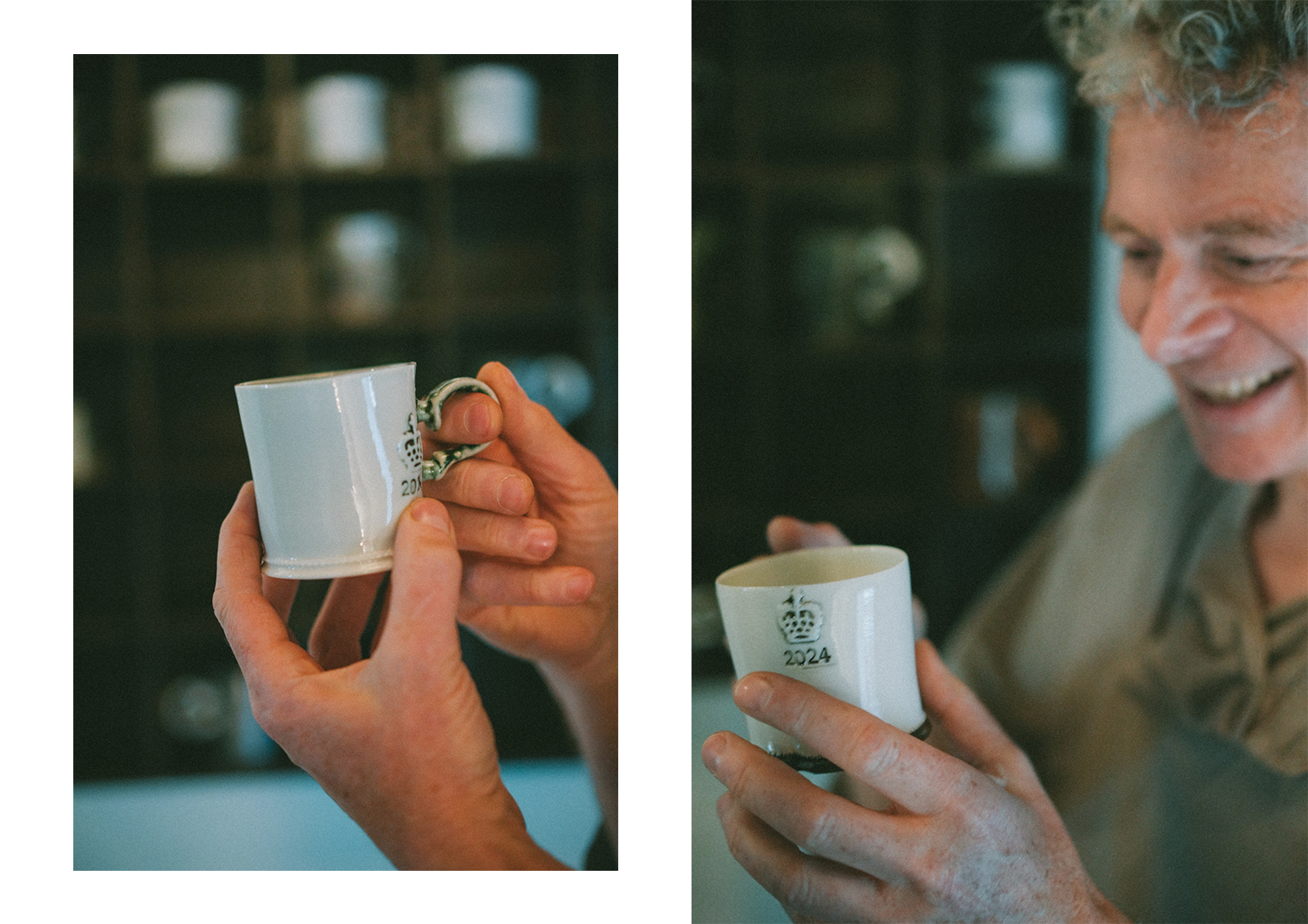
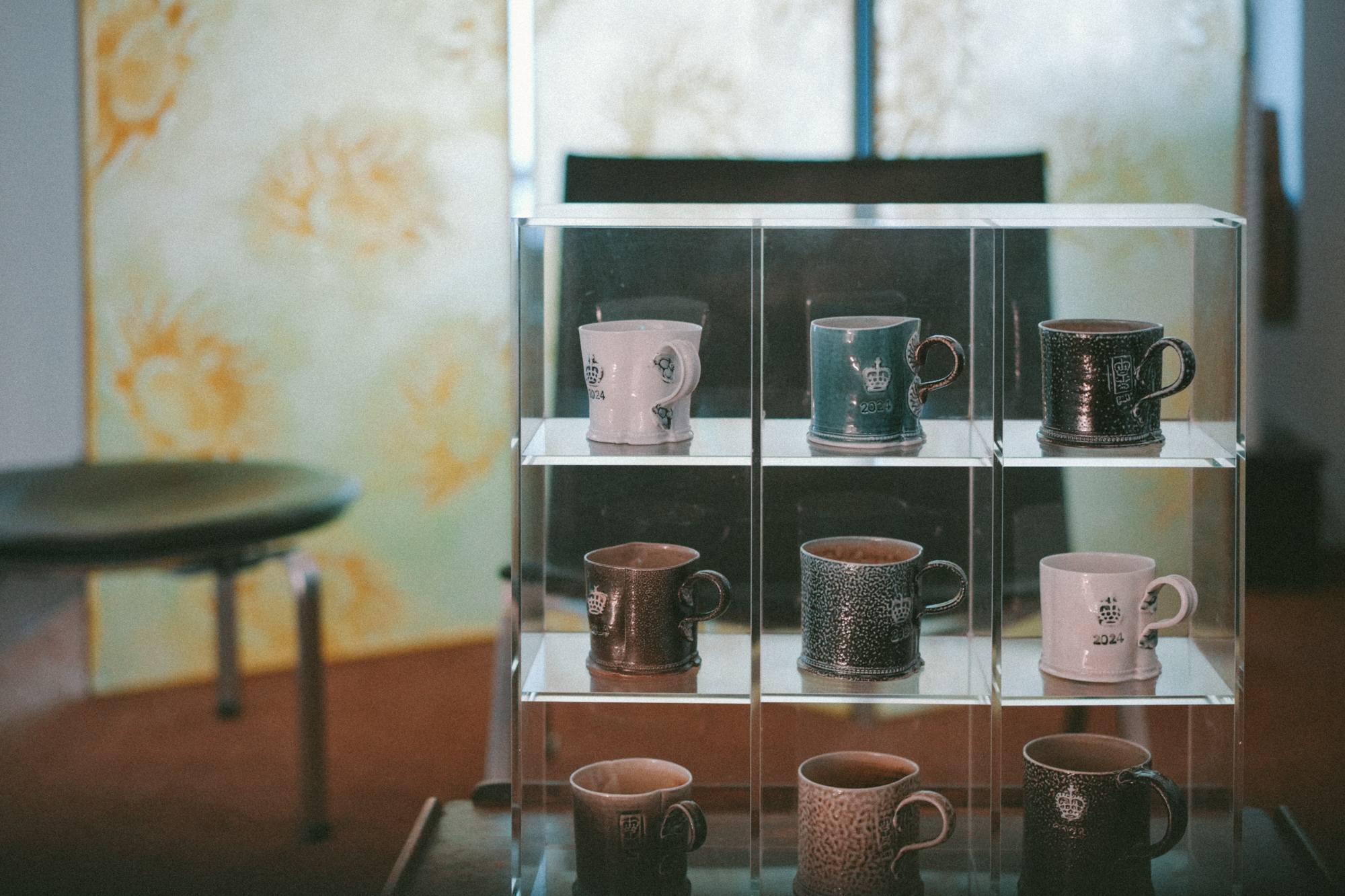
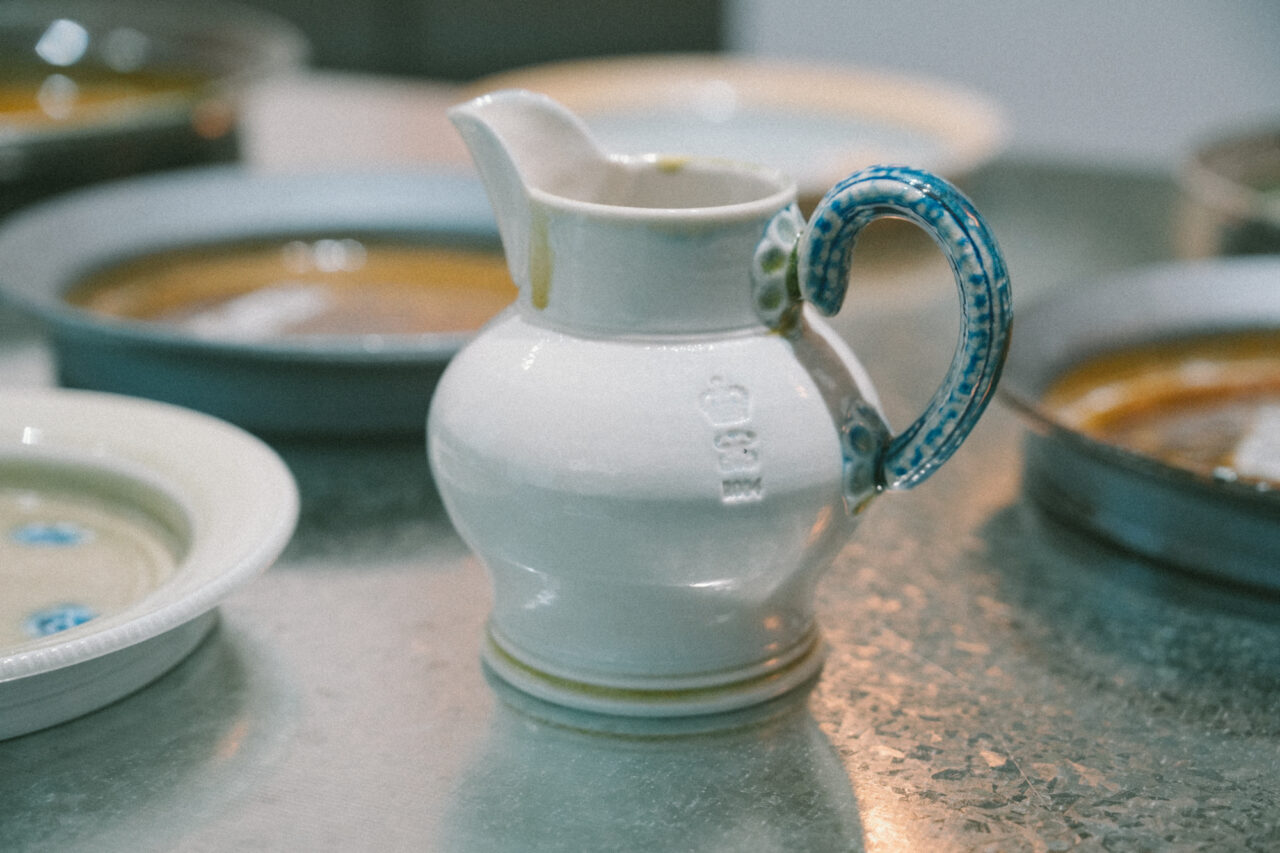
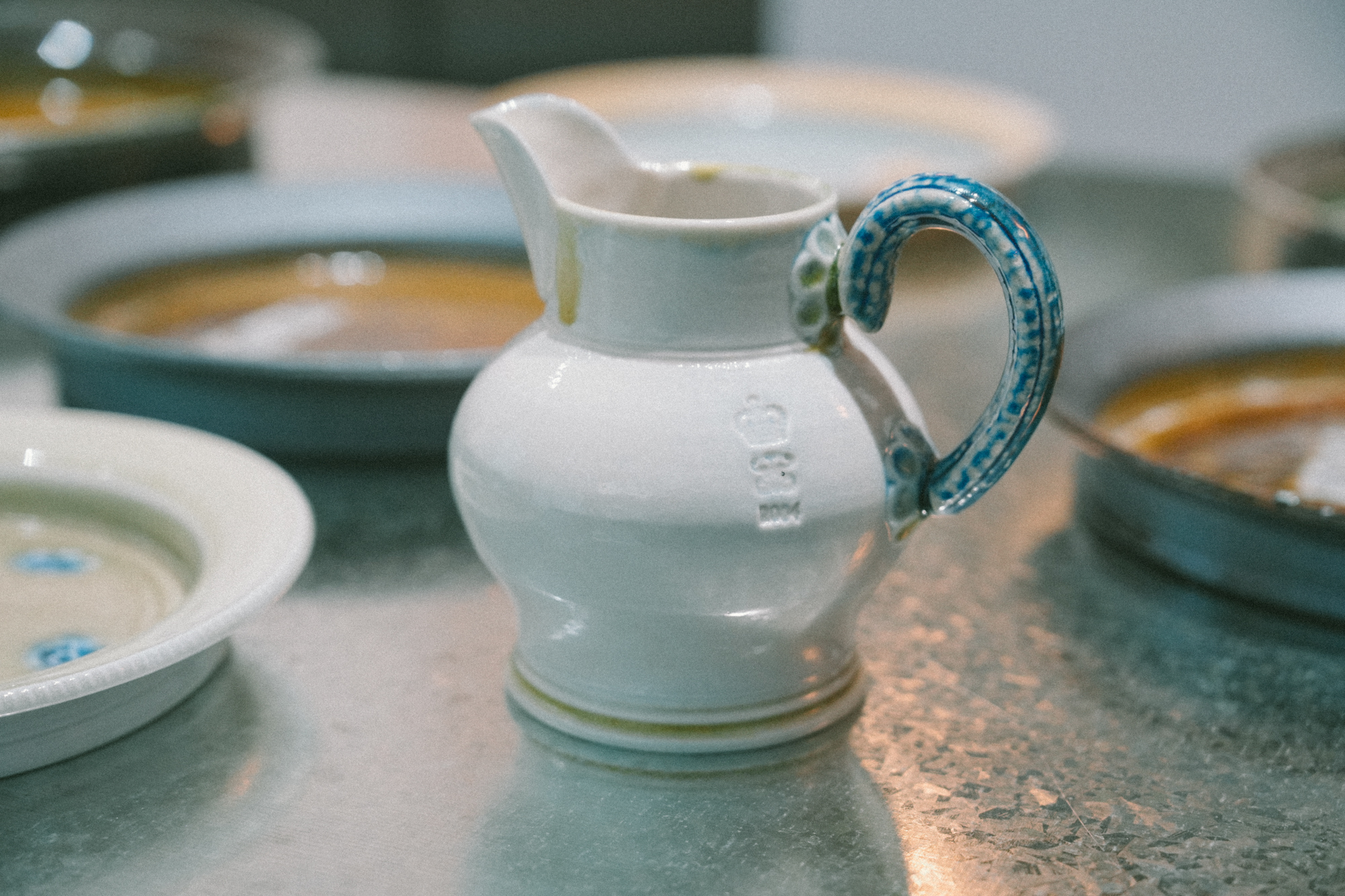
Recalling his first experience with Harrison’s cups during the 2021 exhibition, Mug-Cup: A Thirty-Year Retrospective, which showcased works from the 1990s, Harrison has continuously sought innovation in this small yet significant item. “The exhibition featured his most famous pieces—a combination of porcelain and clay. These two materials, which typically do not bond well during firing, are expertly handled by him. Despite the popularity of this series, he chooses not to mass-produce; instead, he constantly challenges himself to explore new avenues in his work, which is truly admirable,” Alex, the curator of the exhibition explains. Over their five years of collaboration, he has witnessed Harrison’s artistic evolution. Harrison once said he didn’t want to make tables because he didn’t want to be pigeonholed as a furniture designer; he prefers to focus on making cups. Last month, he held his first exhibition in Hong Kong, titled Last Supper, where his passion for ceramics was palpable. He enthusiastically held one of his cups, exclaiming, “It’s truly beautiful! To me, it’s perfect!” With a laugh, he adds, “I often admire my cups at home, and my wife Julia gives me a strange look and asks, ‘What are you doing?’” It was at this moment that we realized how meeting the creator himself truly enhances the appreciation for his work.
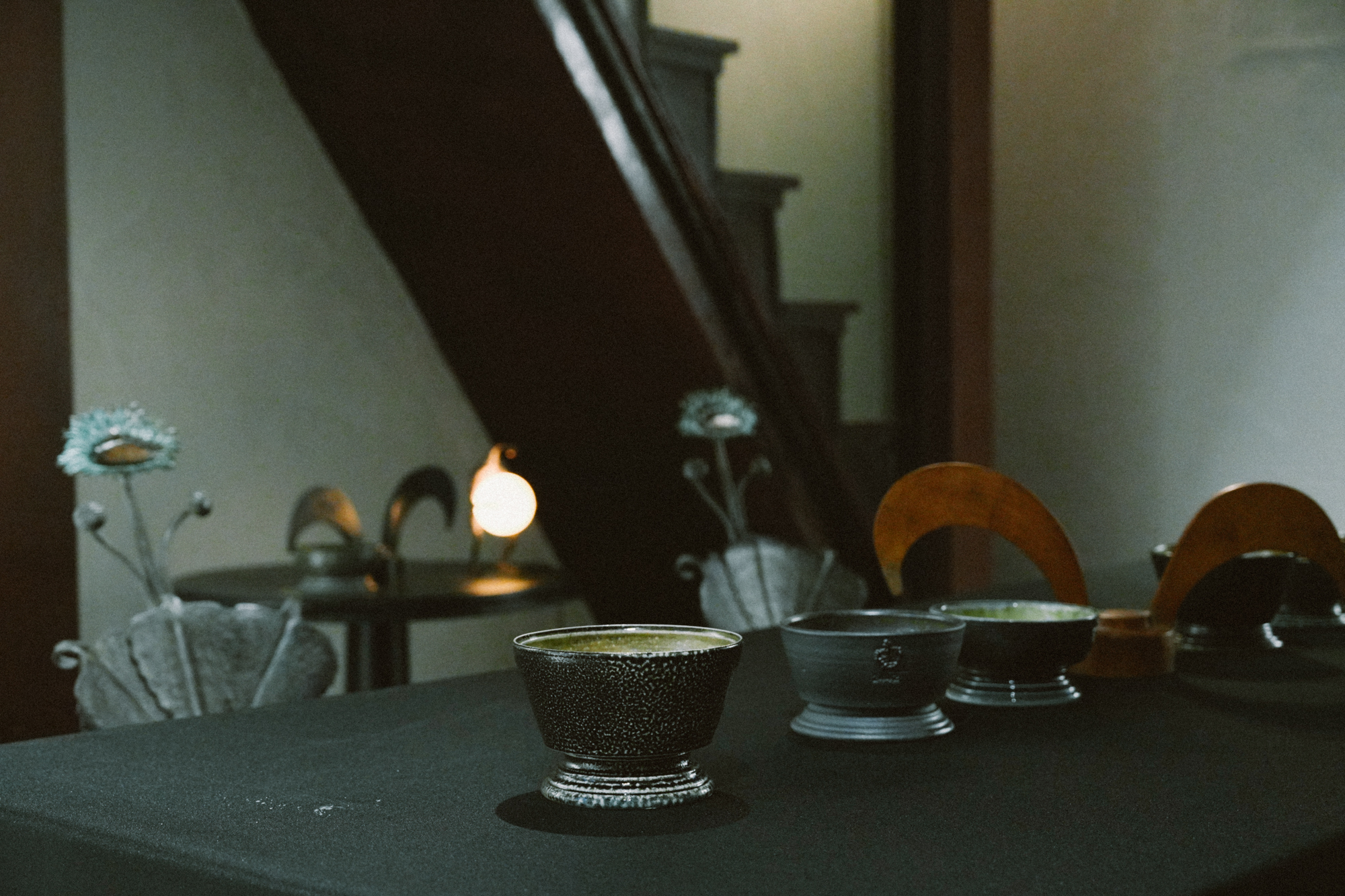
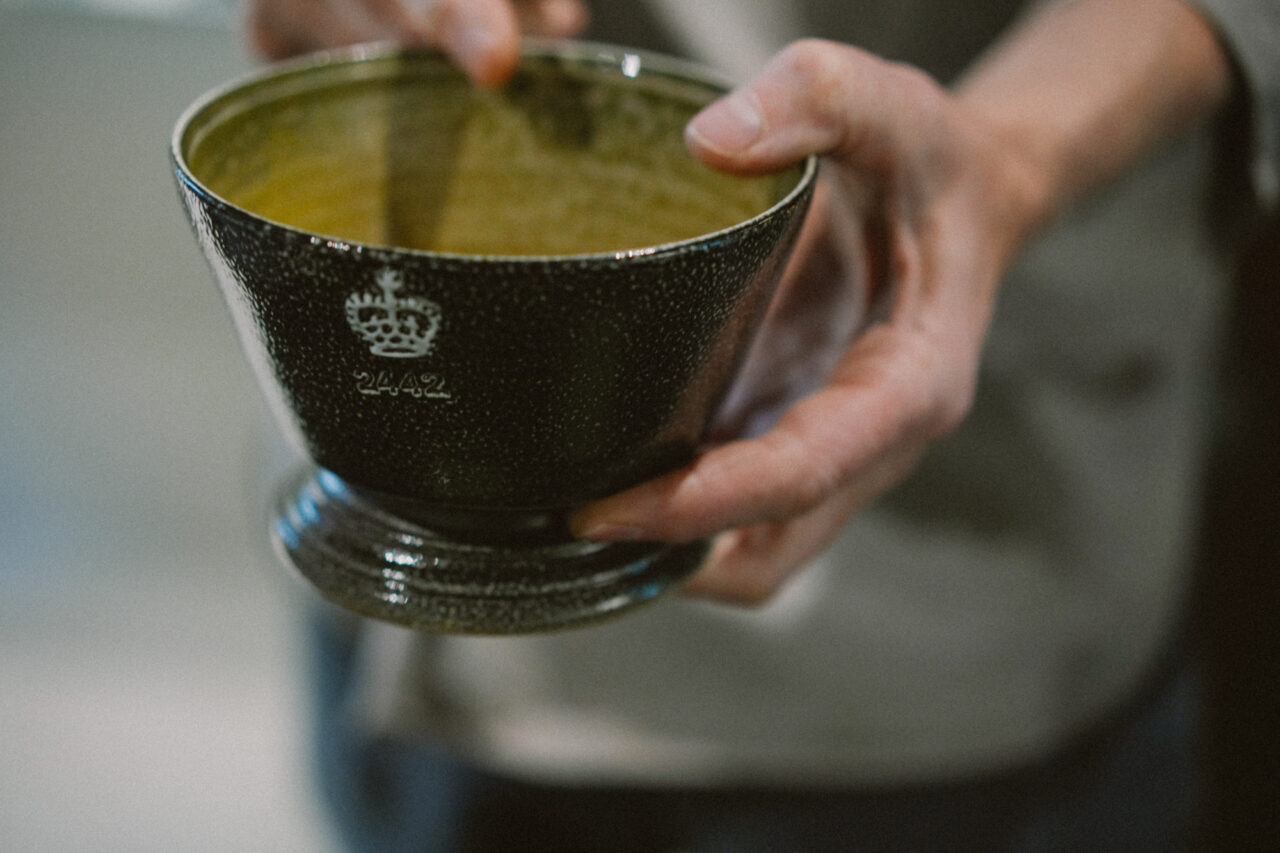
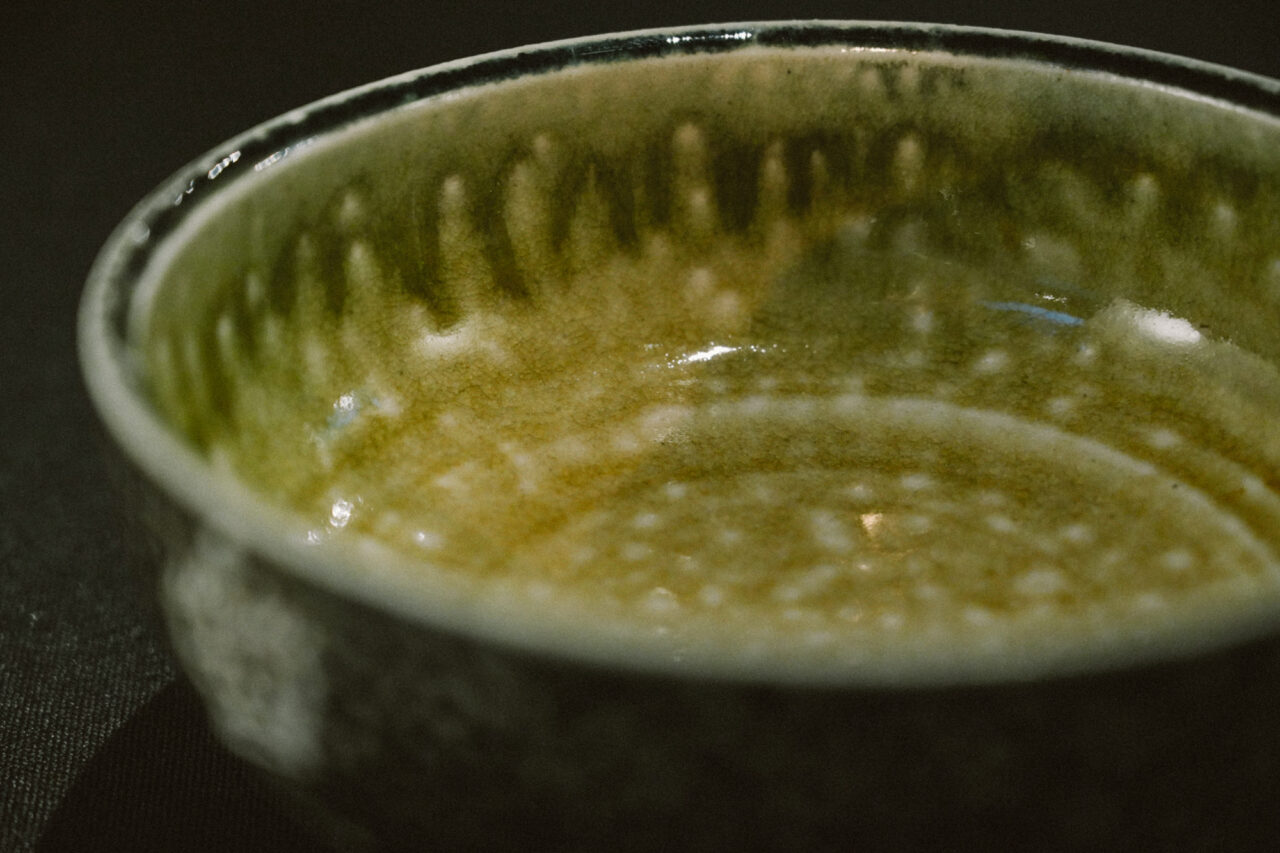
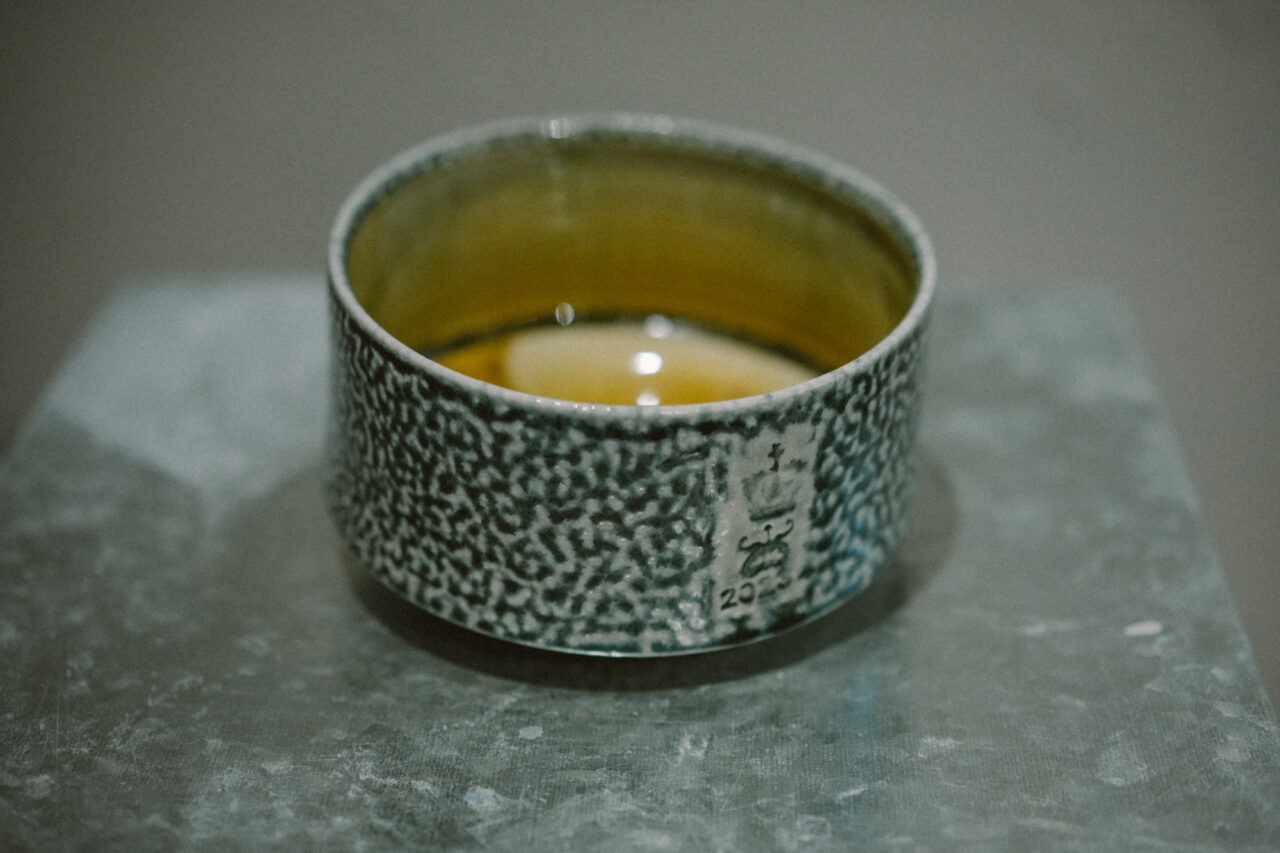
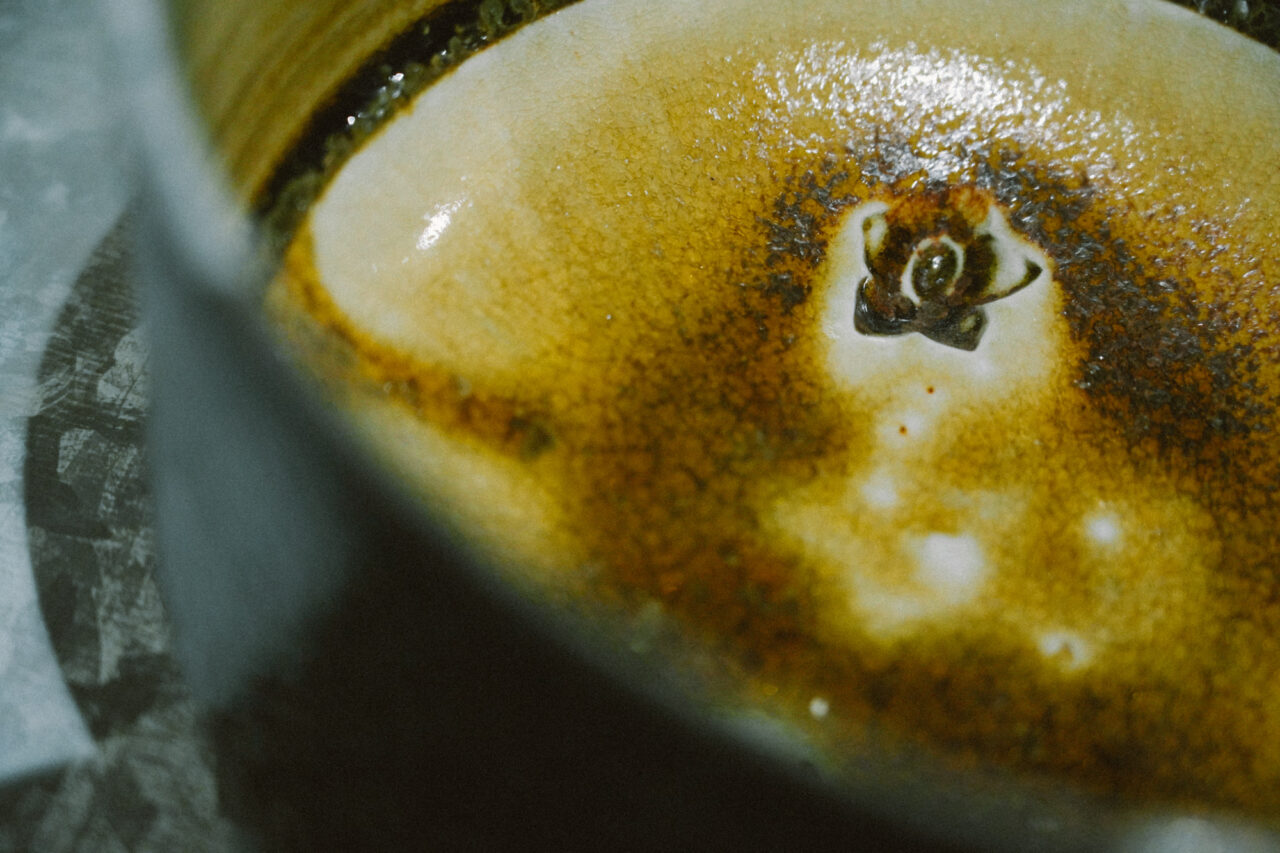
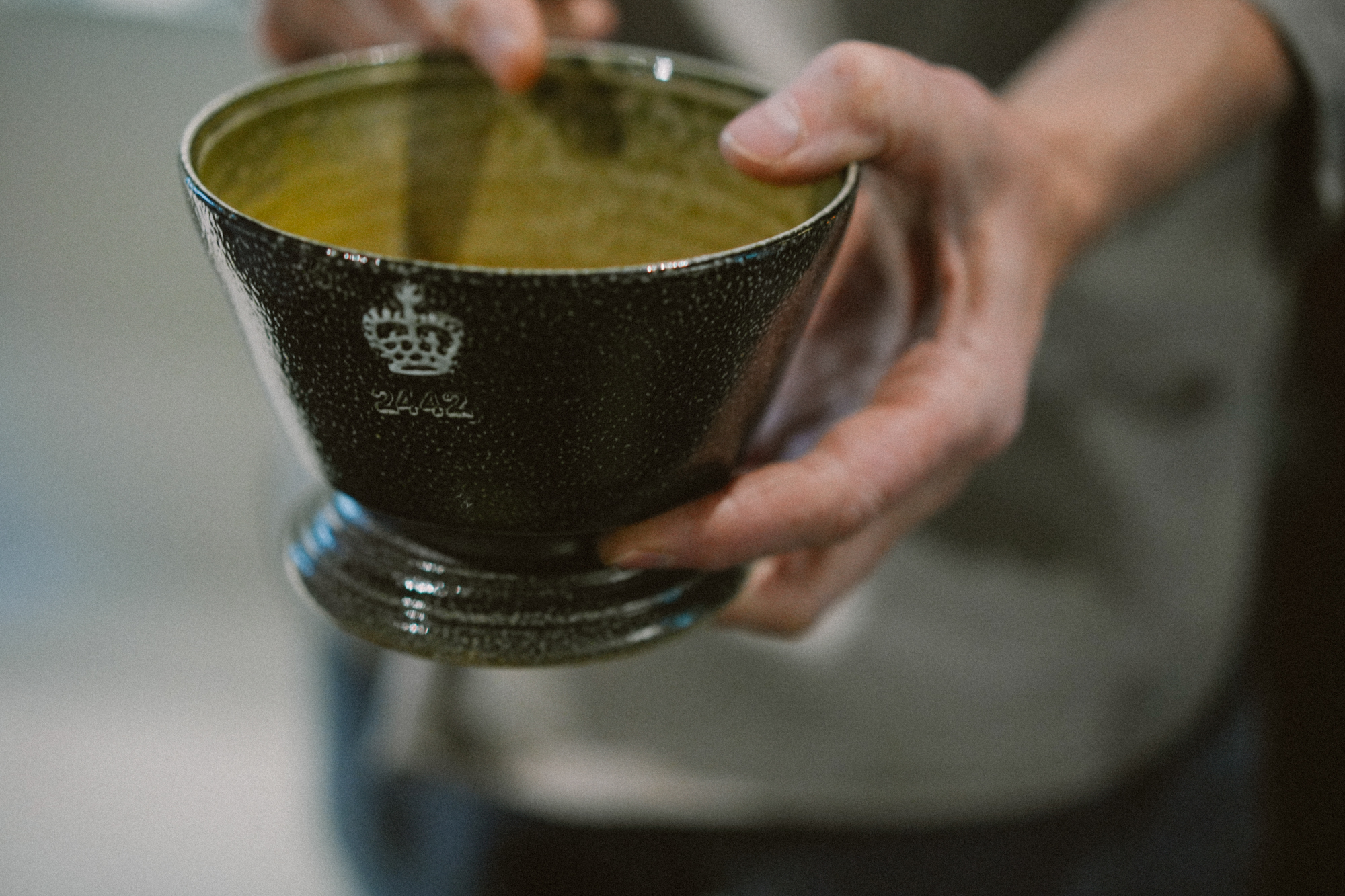
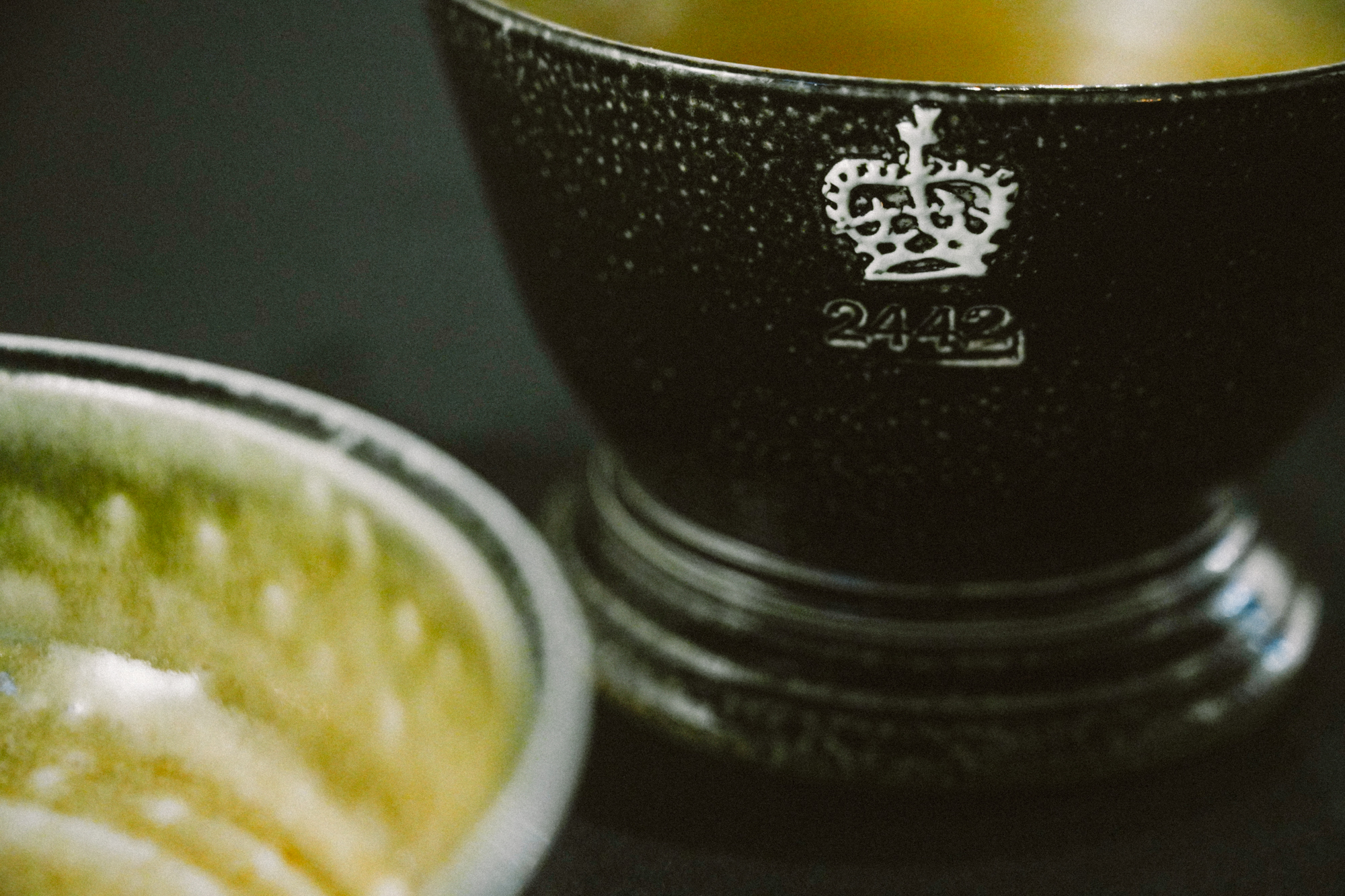
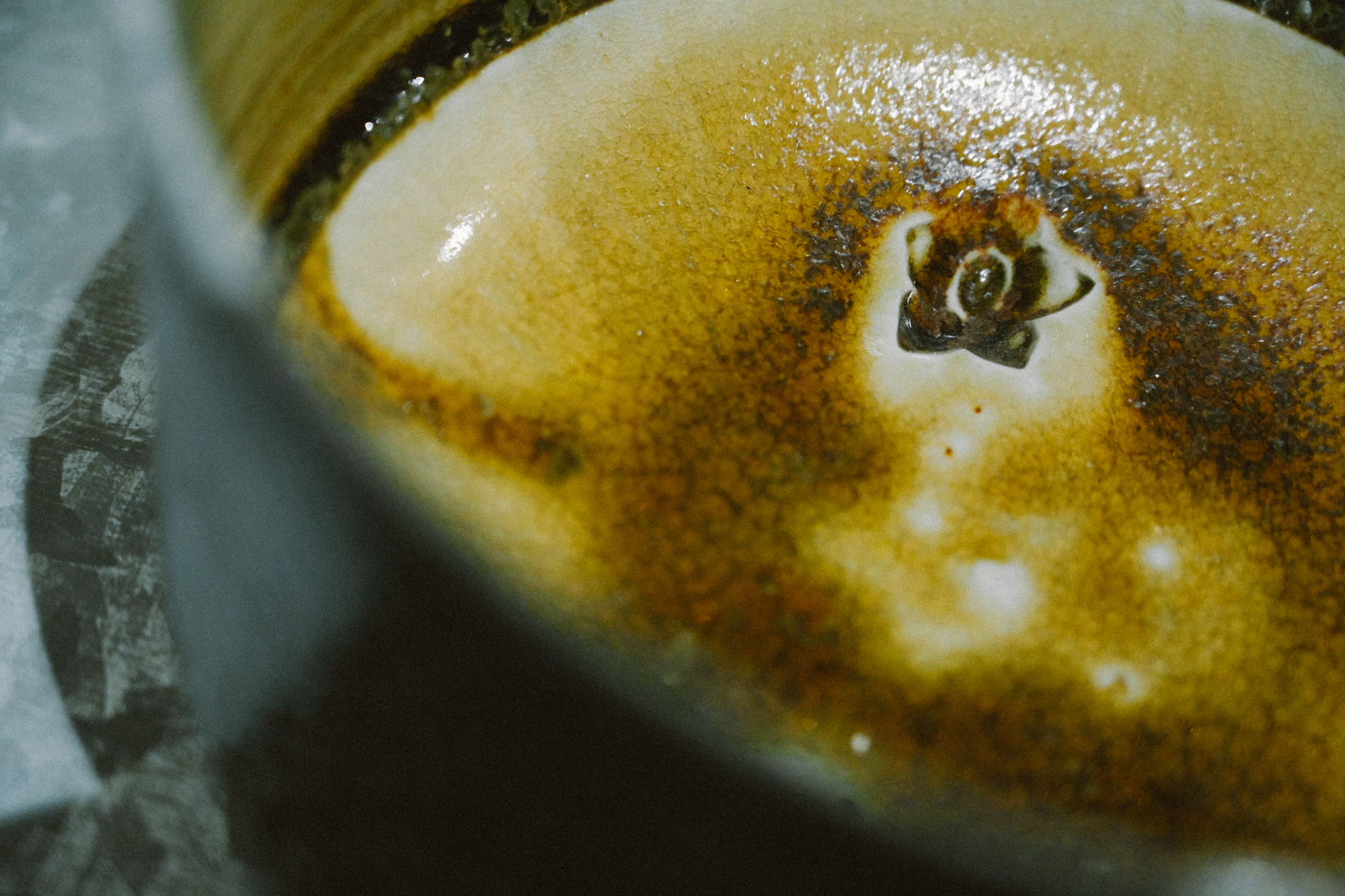
Reflecting on the impact of the pandemic, Harrison shared, “It prompted me to reevaluate my life. I looked at the numerous objects in my kitchen and thought about what it would mean to use just one item for a lifetime.” This introspection led him to create three palm-sized, smooth bowls in a Chinese style. Although he wasn’t entirely satisfied with them, Alex liked them. In the foreword of the exhibition, Harrison referenced the significance of Nigel Slater’s quote, “to live with and be buried with”. In the end, the one that stays with him must be his favorite, right? “I decided to return to my own style. I incorporated the elegant, elevated forms seen in traditional British silverware while enlarging the bowls, maintaining their simplicity and purity. These ash-gray beakers can be used for drinking, serving simple foods, or even as a wash basin.” The bowls feature slightly varied shapes, yet all are made with the same glaze and technique. Harrison aimed for a cohesive look with subtle distinctions, using clay sourced from different regions around the world. “These clays have unique characteristics; for example, the Korean clay contains larger granules, resulting in a rougher texture that increases the complexity of the firing process.”
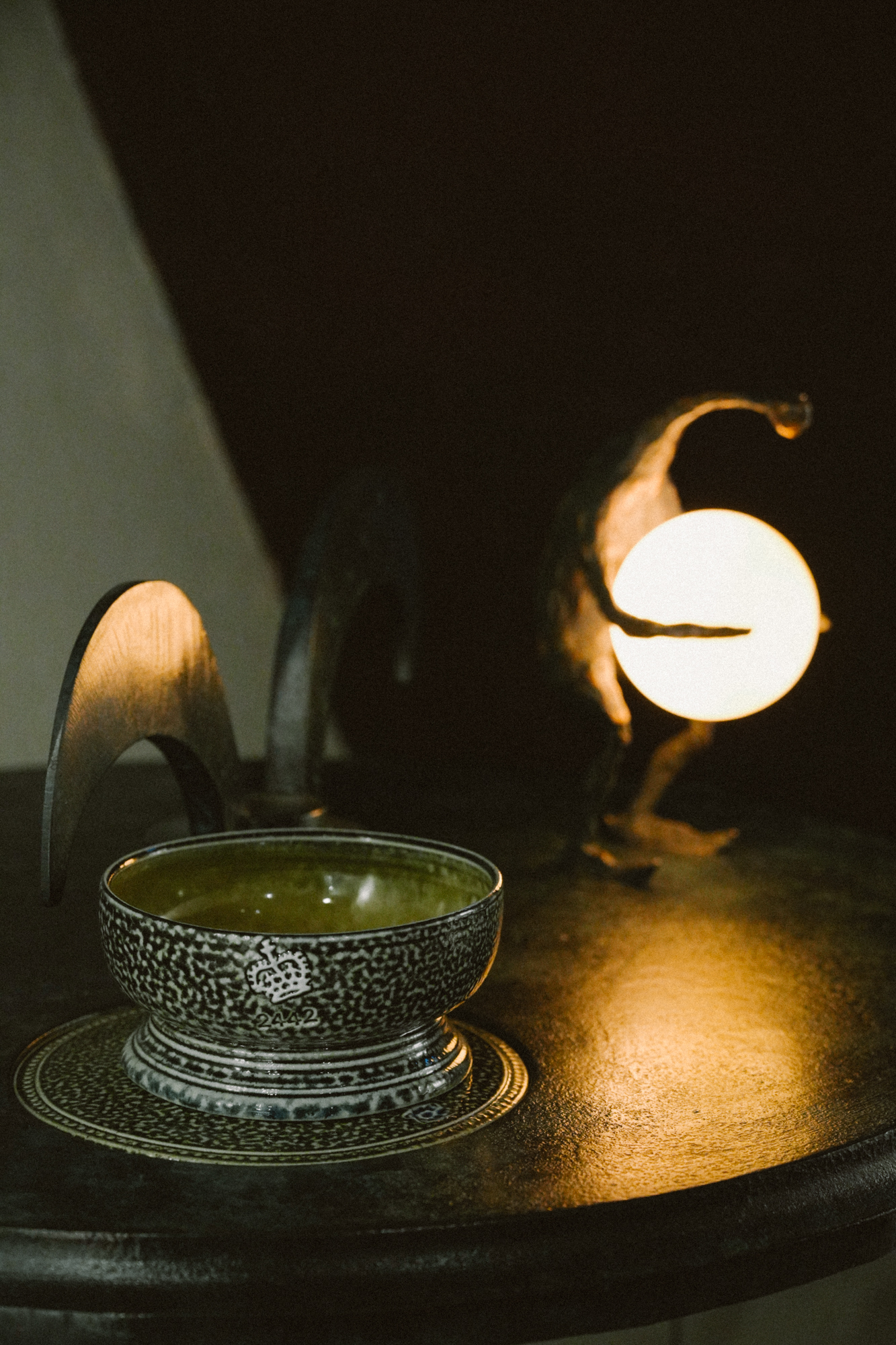
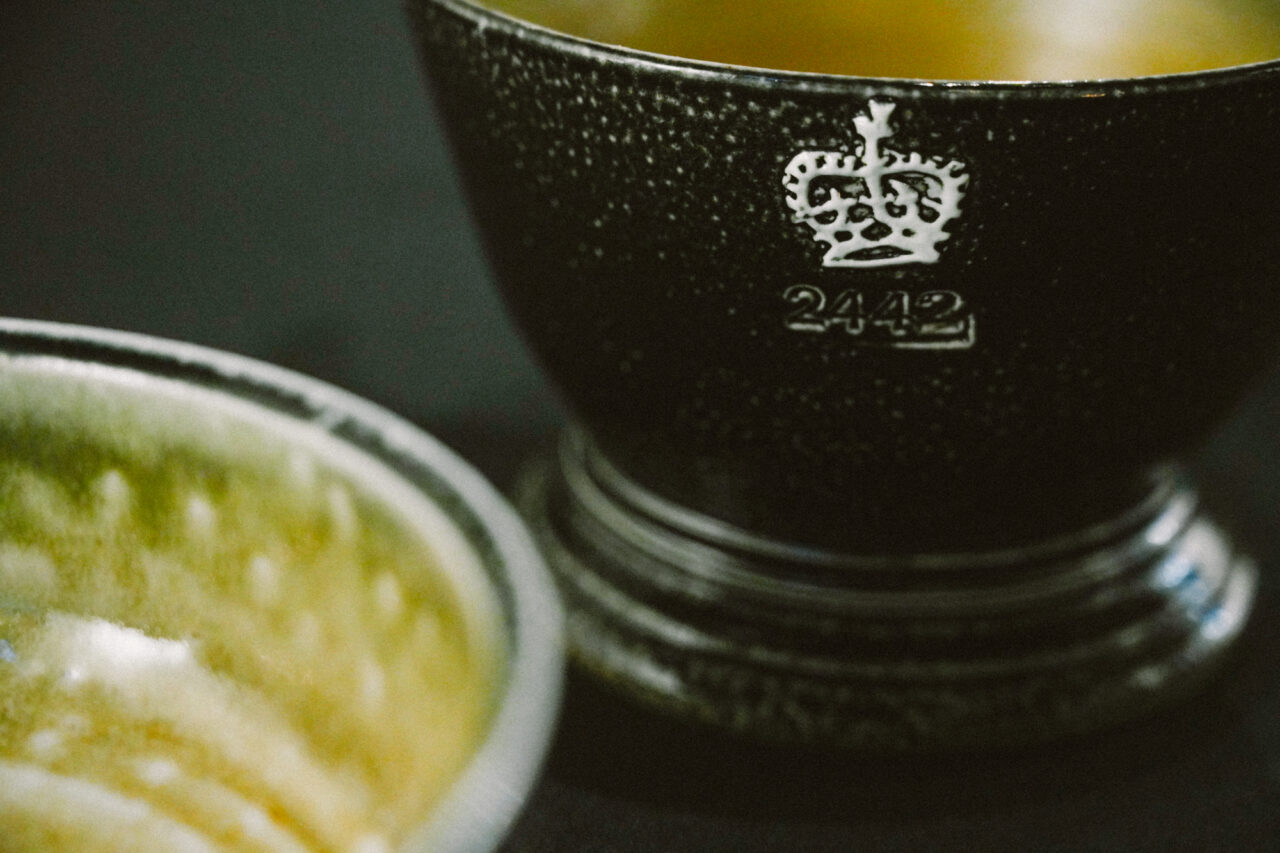
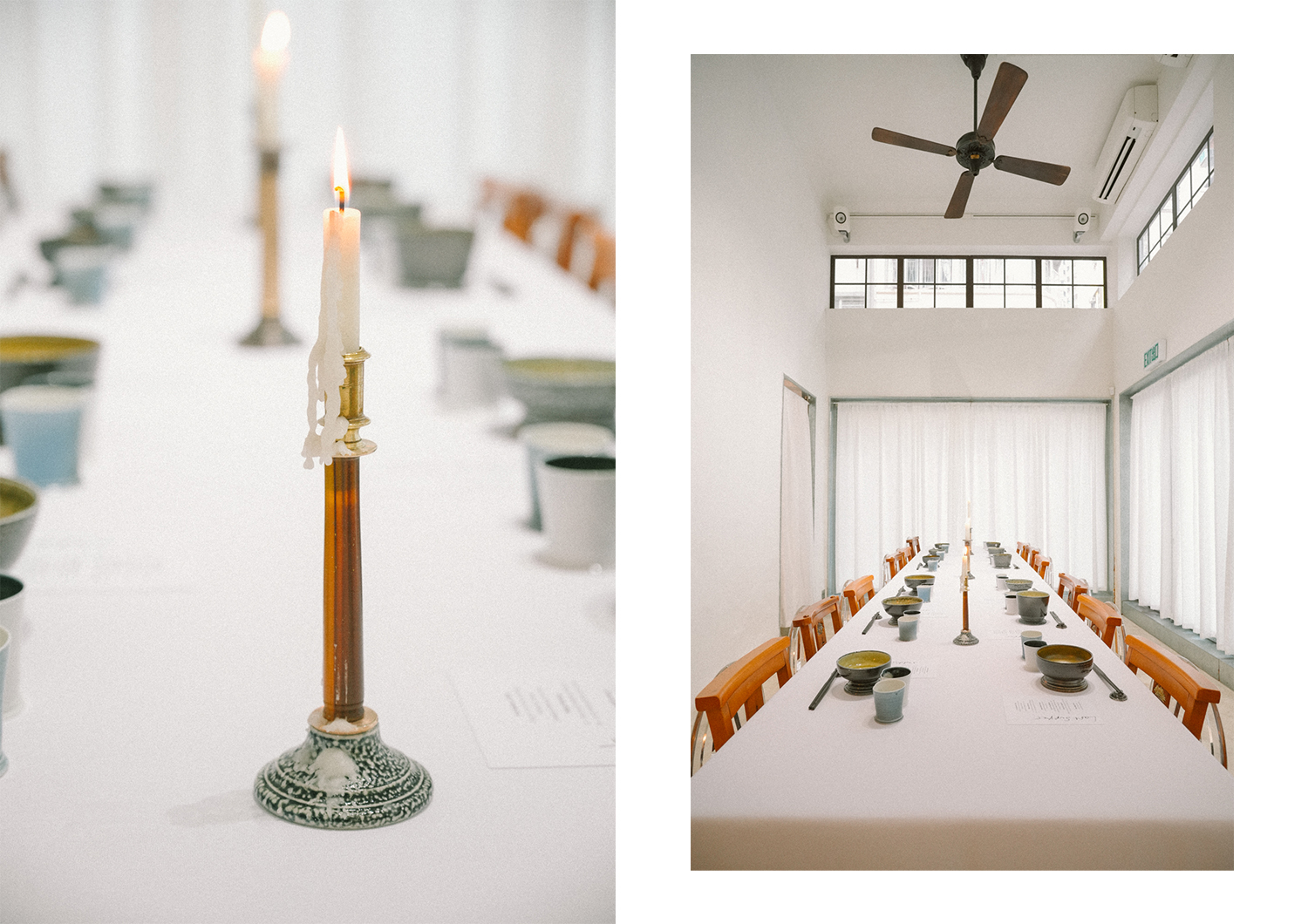
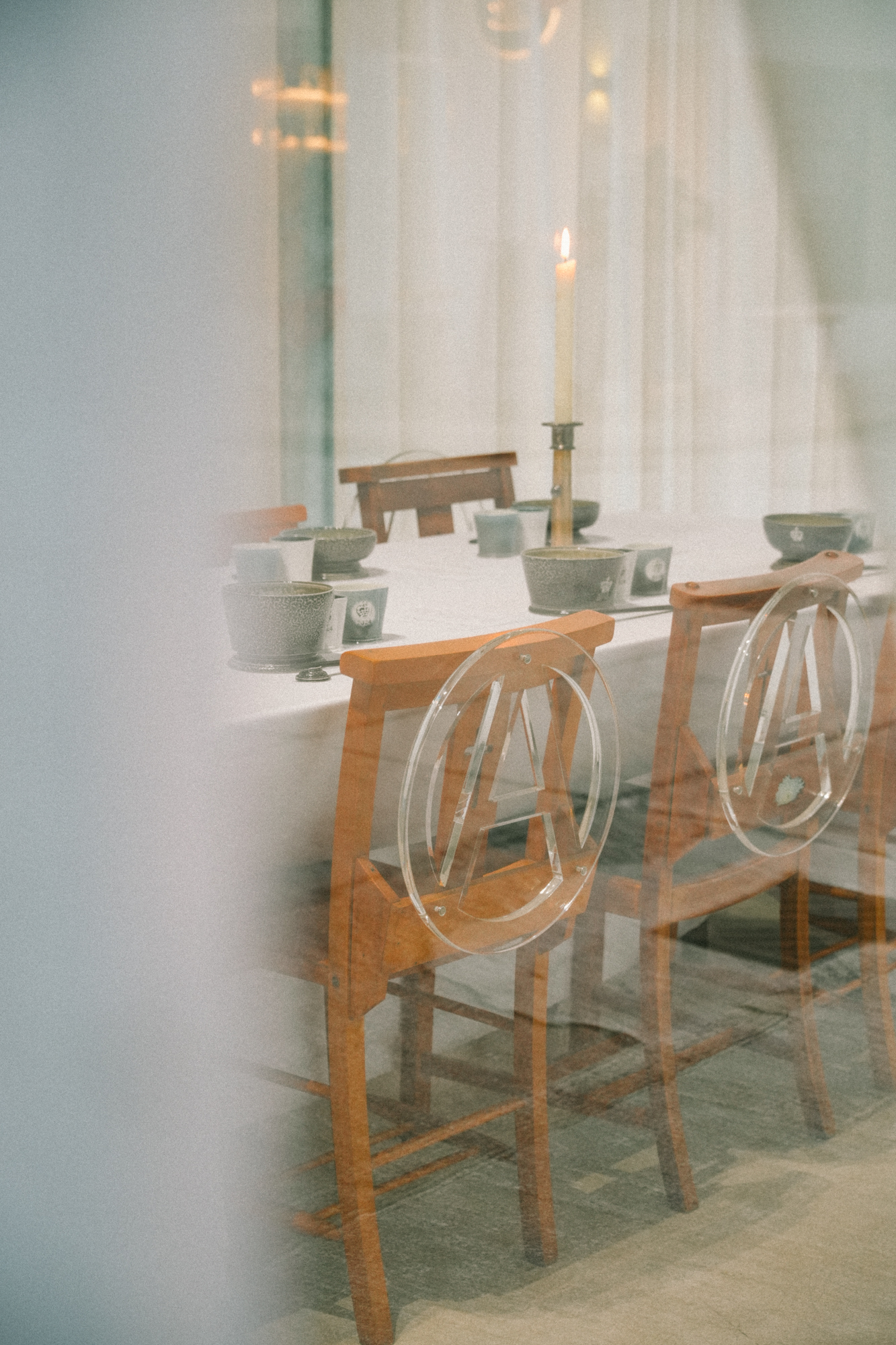
Harrison explains that the beaker series marks a new creative direction for him. The combination of the elevated foot and the bowl requires exceptional skill, as it is prone to collapse during firing. “Once a piece enters the kiln, its fate is uncertain—only about 50 to 70 percent typically survive. However, I made 24 pieces this time, and astonishingly, all came out intact!” He enjoys infusing subtle details into his work; for instance, the number “2442” etched into the bowls references a scene from the Hong Kong film Rigor Mortis. “When these beakers are arranged on a long table with candles, sharing food becomes a sacred act, reminding us that every meal can be as beautiful and precious as the Last Supper.”
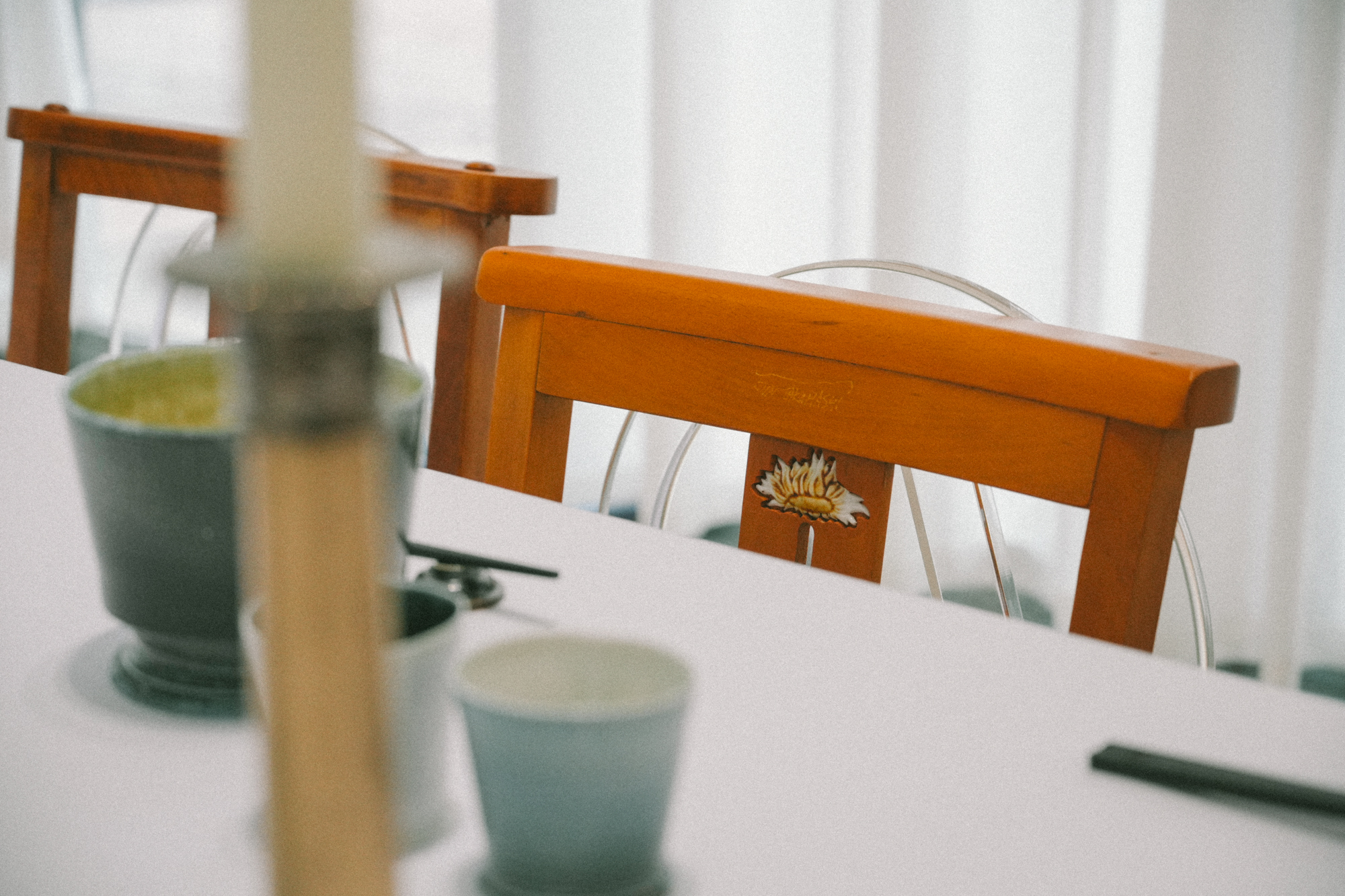
Exhibiting in a historic venue excites Harrison. “Seeing so many of my works feels like coming home. Due to the complexity of the production process, I produce only about 800 pieces a year. I am particularly fond of the loft space in the gallery, where sunlight filters through a screen, illuminating a table adorned with cups. I imagine two people sitting in the chairs, engaged in a conversation about my cups. Would Hong Kong people do that? If so, that would be wonderful!”
“This is my first time in Hong Kong. I haven’t planned an itinerary; I’ll follow Alex wherever he takes me. We’ll meet with tea masters and visit galleries. I’m eager to get a glimpse of his life through this experience.” The connection between Harrison and Alex is strong, transcending the typical curator-artist relationship. “Alex is a distinctive curator; he has a deep understanding of my work and its significance. If I weren’t here, he would be the one who knows my pieces best.” For this exhibition, Alex organized two dining experiences themed around the Last Supper, collaborating with various artists, chefs, and tea masters—such as Jun Takahashi, chef Margaret Xu, tea artist Nana Chan, and musician Olivier Cong—to create profound sensory experiences centered on Harrison’s works, which also echo the “beauty of use” that he has always emphasized.
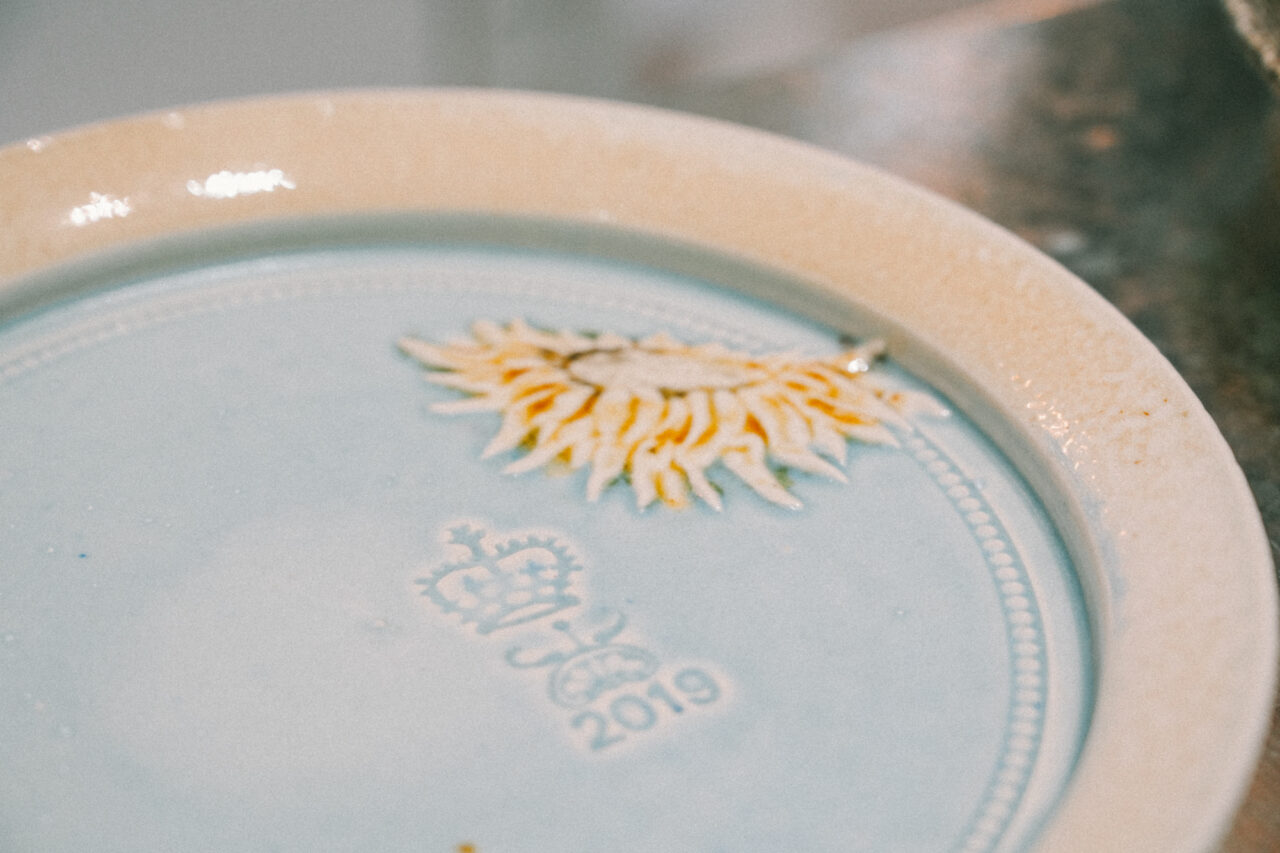
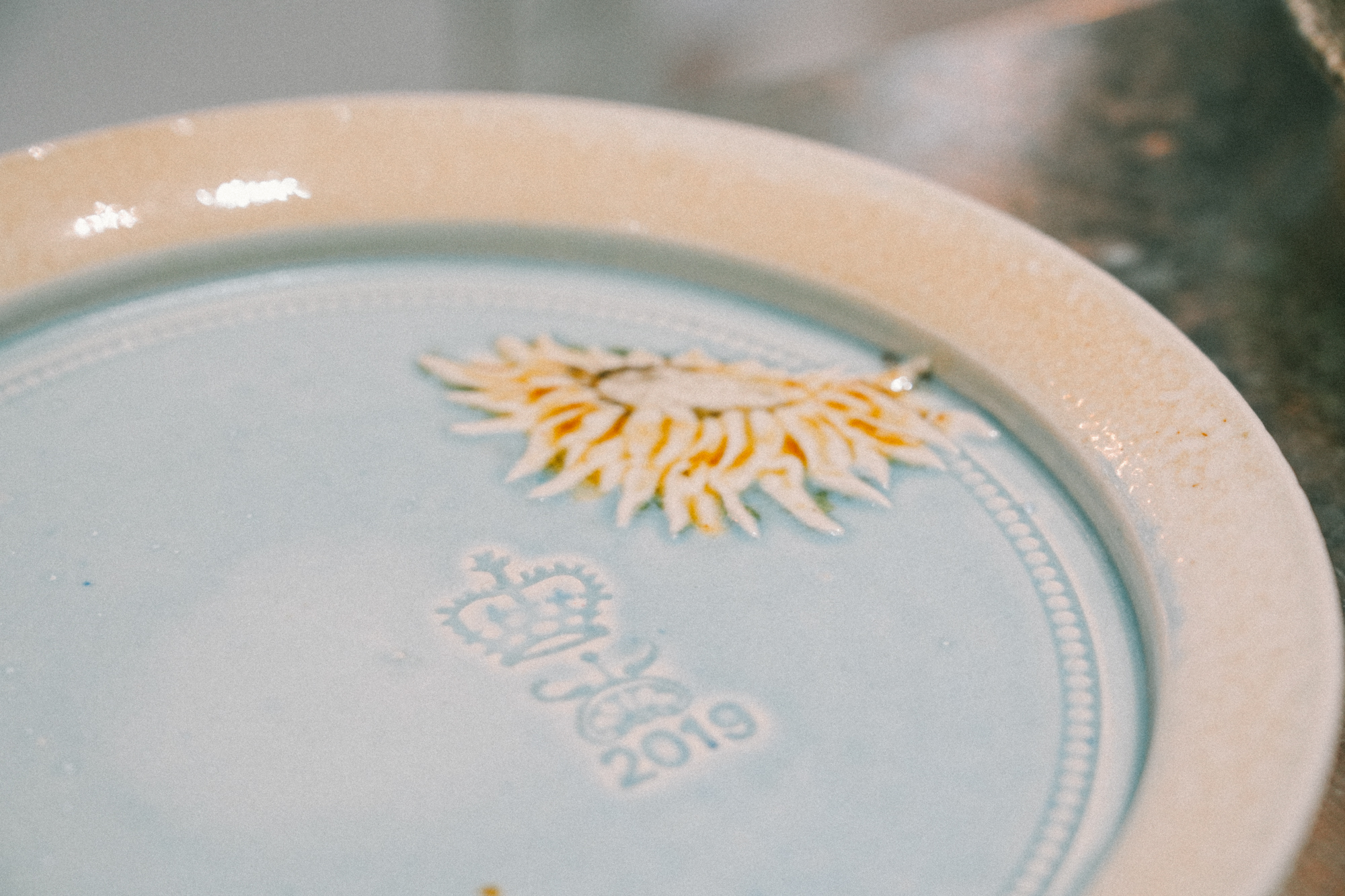
“Letting go of ego and allowing things to unfold naturally” is a recurring theme for Harrison. He stresses the importance of shedding self-importance during the creative process, as it fosters deeper connections with others. “When I first saw Jun’s work, it was so different from mine, and our thought processes diverged. It was fascinating. Alex once asked if I had any ceramic sunflowers to place on one of Takahashi’s chairs, and without hesitation, I sent some over. The freedom to give to others is vital; otherwise, the work would simply remain confined to my own style.”
Every time he travels, Harrison brings along his handmade cup and tea tools. “For the exhibition’s dining experience, I needed to pack some plates and cups, so I brought two teacups—one of mine and one belonging to Julia. I used mine yesterday for tea, and it felt wonderful.” Through using, the beauty of vessels naturally unfolds, enabling him to share his story effortlessly. “If you focus on the outcome, the energy is different. I think we should never judge; just enjoy doing it.”
Last Supper by Steve Harrison Period: 27 Oct – 24 Nov 2024 Venue: otherthings by THE SHOPHOUSE, 31 Sun Chun Street Tai Hang Hong Kong (By appointment only)