對我個人來說,比起錄影帶,擁有一張配樂專輯更貼近擁有一部電影的感覺。聆聽著配樂,電影彷彿是真正的記憶一樣,變成了真正發生過的事情。
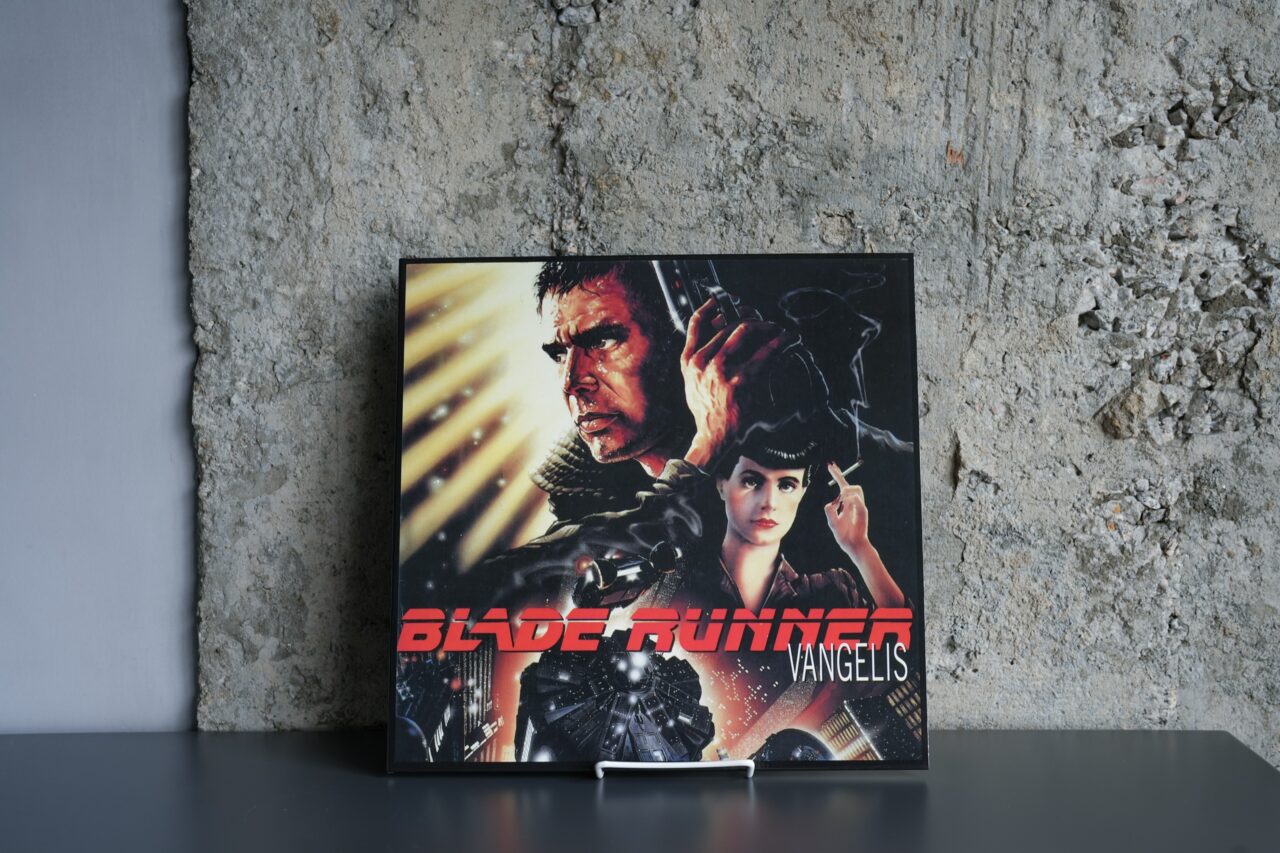
眾多唱片之中,不理會時代、分類,要挑選一張最有這種親密質感的,我會選傳奇希臘作曲家Vangelis為Ridley Scott的《銀翼殺手》(1982)所寫的配樂。Vangelis之所以被稱為傳奇有著各式各樣的原因,未曾接受音樂訓練和不會讀譜是其中一個,另外最為人稱道的,就是他對合成器的使用,堪稱開創了一個嶄新的時代和宇宙。
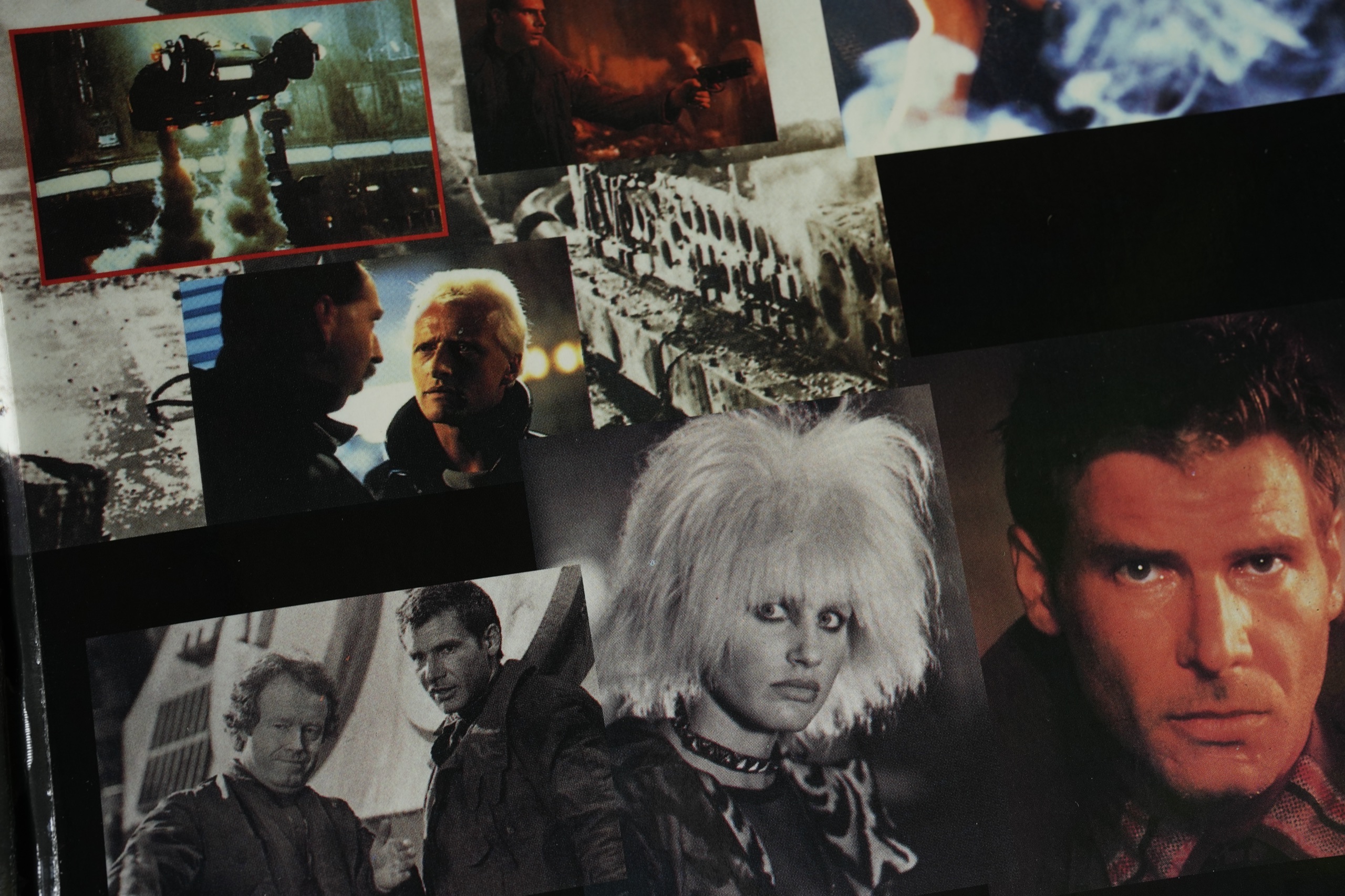
《銀翼殺手》改編自Philip K. Dick的《仿生人會夢見電子羊嗎?》,講述在未來,地球人因為核子塵而紛紛逃離到外星殖民地,而幾個設計來開拓殖民地的仿生人卻偷渡回到地球,想要找到自己的創造者並解除4年的壽命限制。所謂的銀翼殺手,工作內容就是在瀕臨崩壞的城市中找到偷渡者,並將他們「退役」。
追縱仿生人的過程中,身為銀翼殺手的Deckard開始質疑自己的工作,也愛上了最新型號的仿生人。當仿生人變得更像人,而人變得更像仿生人的時候,這種區分的意義是什麼呢?對於這個問題,我非常喜歡小說版本的答案。小說的Deckard說,所有人曾經想像過的事物,「一切都是真的。」
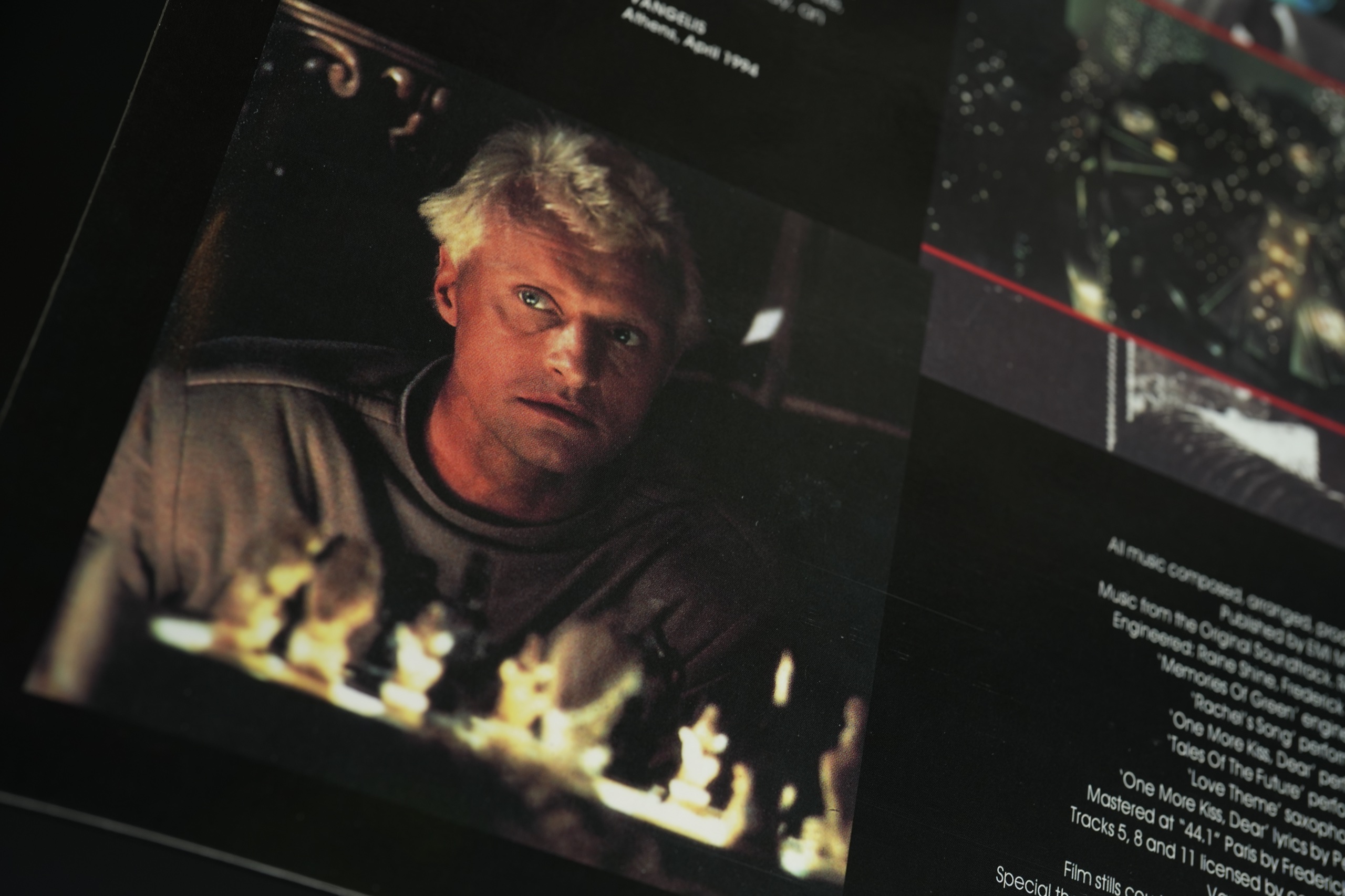
創造者和被造物之間的矛盾,無法分離的真與偽,這些也是Vangelis的命題。《銀翼殺手》專輯的12首曲可以分成前後兩半。縈繞、昏暗的前段聚焦於塑造失序的未來城市的氣氛,以及Deckard和仿生人Rachel之間的感情發展;後半段則擴展至仿生人對殖入記憶的複雜情緒以及無法逃離命運的哀傷。值得留意的是置於中間,第6首的One More Kiss, Dear。乍聽上去,就像1930年代的老歌,但其實這首歌並無任何original的版本,是Vangelis的創作。他在混音過程使歌曲聽上去更遙遠和不穩定,就像在30年代收音機聽到的氣氛一樣。
一切都是對某個時代氛圍的模擬,但我們聽見這首歌時,所產生的懷念情緒,難道不是真的嗎?
Memories of Green是專輯中我最喜歡的一首。這首曲由Steinway鋼琴演奏和電子遊戲UFO Master Blaster Station的聲效結合而成,再一次表達了一切都有其生命。即使只是遊戲,或是立刻就被拋棄忘掉的電子產品也好。什麼是「綠的回憶」呢?在Blade Runner的世界中,地球大部分的植物和動物也已消逝,留下的只是一個搖搖欲墜的人造廢墟。植物只存在於人類的記憶之中。Memories of Green是一種哀悼,也算是一種諷刺。失去了與環境連結的人類,和仿生人一樣,分享著某段遙遠的記憶。
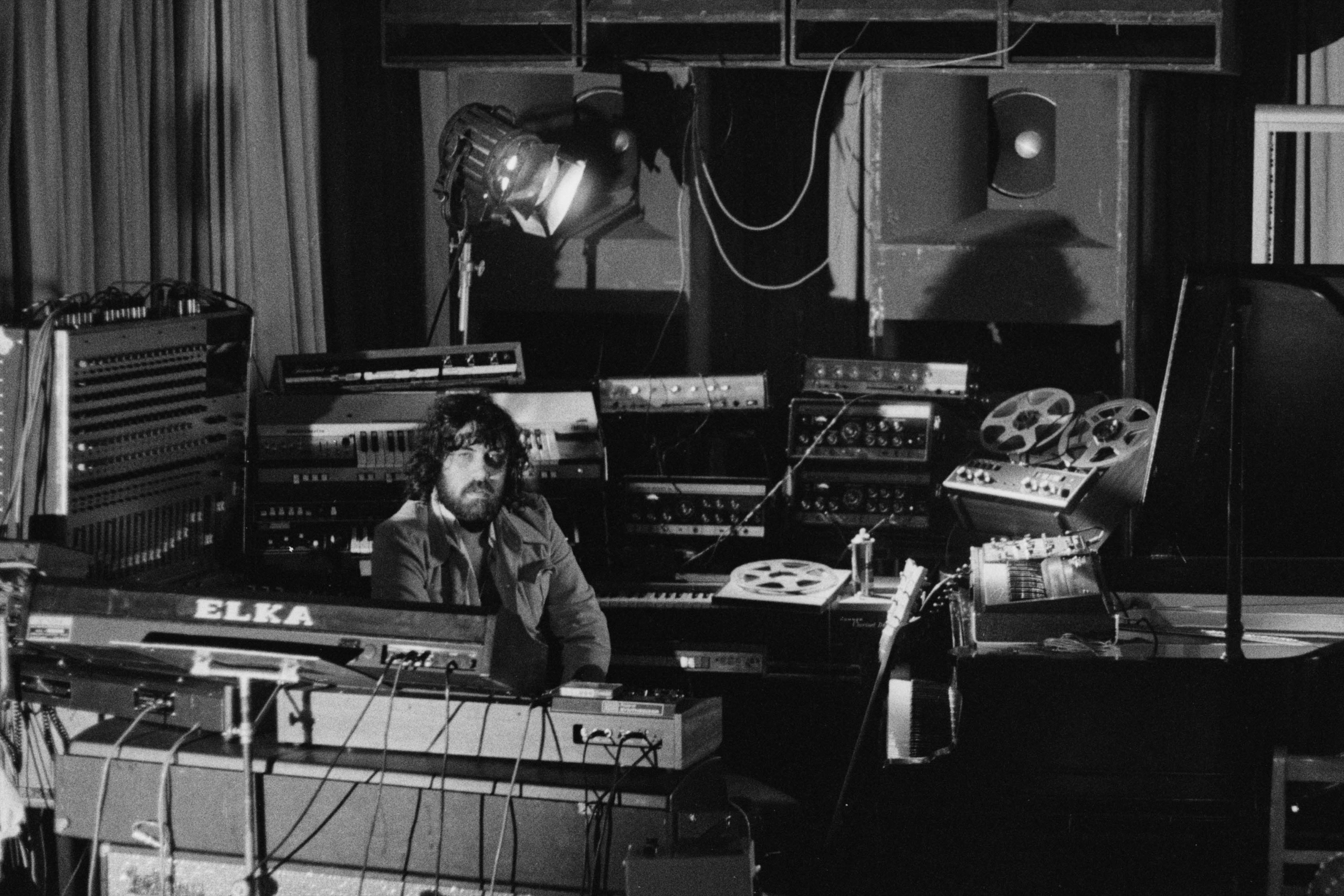
Vangelis聞名於他對合成器Yamaha CS-80的使用。他坐在鍵盤前,就能創造出各種編制的聲音,猶如擁有自己的銅管樂隊一樣。觀看Vangelis的演奏時,我常常有一種感覺,他正在操控一臺宇宙船,雖然複雜,但極其優雅地航行於某條看不見的軌道上。
為了致敬Vangelis,Hans Zimmer和Benjamin Wallfisch為續集Blade Runner 2049創作配樂時,也再一次使用了Yamaha CS-80。4億8千3百萬公里以外的某顆行星,也被命名為(6354)Vangelis。2022年逝世的他,會一直存在於各種人造物之中,包括我手上這張LP。每次唱針觸碰唱片,軌道就再一次重新活過來。
For me, owning a soundtrack album rather than a videotape feels more intimate to the film itself. As the music evokes memories of the film, the lines between the real and the fictional are also blurred.
Among countless records, if I had to choose one that embodies this intimate quality regardless of era and genre, it would be the score composed by the legendary Greek musician Vangelis for Ridley Scott’s Blade Runner (1982). Vangelis was considered legendary for many reasons, one being that he had never received formal musical training and could not even read sheet music. Most notably, his innovative use of synthesisers ushered in a new era and universe of sound.
Blade Runner, adapted from Philip K. Dick’s novel “Do Androids Dream of Electric Sheep?”, tells the story of a future where Earth’s inhabitants flee to off-world colonies following a nuclear fallout. Meanwhile, several bioengineered “replicants” designed for colonisation attempt to return to Earth, seeking their creator to escape their four-year lifespan. The so-called “Blade Runners” are tasked with finding these fugitives in a crumbling city and “retiring” them.
As Blade Runner Deckard pursues the replicants, he begins to question his role and falls in love with the latest model. As replicants become more human and humans more like replicants, what does any distinction mean? I particularly appreciate Deckard’s answer in the novel: everything once imagined is indeed real.
The conflict between creator and creation, and the inseparability between truth and falsehood, are also themes explored by Vangelis. The twelve tracks featured on the Blade Runner album can be divided into two halves. The first half, haunting and grim, focuses on crafting the atmosphere of a chaotic future city and the emotional development between Deckard and the replicant Rachel. The latter half delves into the complex emotions of replicants grappling with implanted memories, and the sorrows of an inescapable fate. Notably, the sixth track, “One More Kiss, Dear” initially sounds like a 1930’s song, yet it has no original version; it was entirely Vangelis’s creation. Rendered distant and unstable by Vangelis’s meticulous sound engineering, “One More Kiss, Dear” evokes the ambiance of 1930’s radio.
Everything is a simulation of a bygone era’s atmosphere, but the nostalgia we feel when we hear this song—could it not be real?
“Memories of Green” is my favourite track on the album. Combining the sound of a Steinway piano with sound effects from the video game UFO Master Blaster Station, “Memories of Green” reflects the notion that everything has its own life – even games or electronic products that are quickly forgotten. What, then, are such “green memories”? In the world of Blade Runner, most plants and animals have vanished, leaving behind a crumbling artificial wasteland. Nature exists only in humans’ memory. “Memories of Green” serves as both a lament and a satire: humans, disconnected from their environment, share a distant memory with one another in a manner akin to the replicants.
Vangelis was renowned for his use of the Yamaha CS-80 synthesiser. Sitting at the keyboard, he created a rich tapestry of sounds, as though conducting his own brass band. Watching Vangelis perform, I often felt as if he was piloting a spaceship, navigating gracefully through an unseen trajectory.
In a tribute to Vangelis, Hans Zimmer and Benjamin Wallfisch used the Yamaha CS-80 once more when composing the score for the sequel, Blade Runner 2049. In the film, a planet 483 million kilometers away has even been named (6354) Vangelis. Vangelis passed away in 2022, but his presence endures in various creations, including this LP in my hands. Each time the needle touches the record, the tracks spring to life once more.