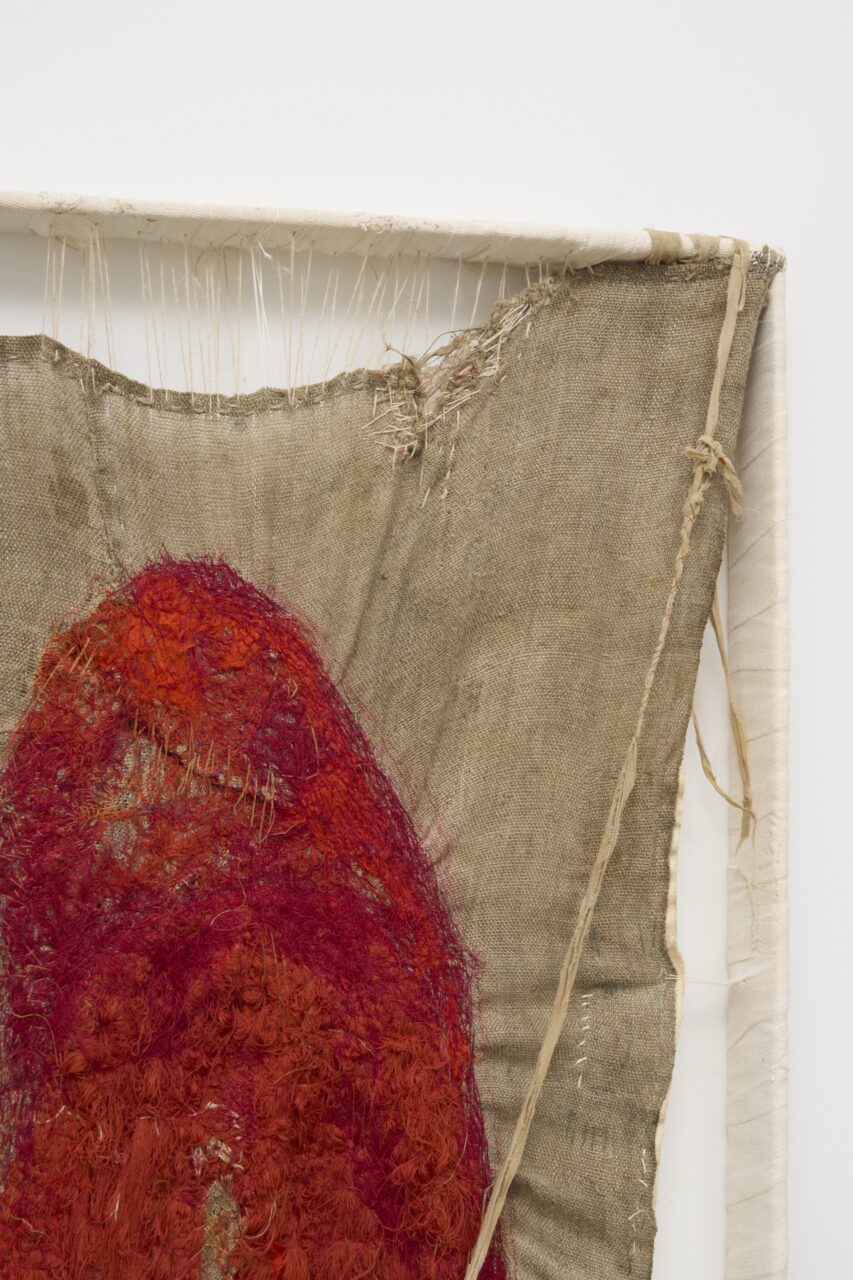
“I originally wanted to become a painter, but I decided that painting was not for me because my emotions were too easily revealed through the paintbrush and it was too direct. While I was searching for the outlet which suited me most, my daughter cut up, sewed together, and embroidered on a purse out of fabrics that my mother had left behind when she passed away and had previously been too precious for me to do anything with. She made this with the singular intention of making me happy. When I saw my daughter’s embroidery, I felt a sense of jealousy that she was able to create something so candid.”
At the time, Junko Oki was working on product planning, so she kept thinking about what would be popular, what was unique, what would sell. But she realized with her daughter that creation can be as simple as what she had accomplished.
“Until then I was not involved with needlework at all, I even disliked it. I cannot be nimble, so I cannot do it well even if I try. I felt that an immense freedom was bestowed on me by doing something I didn’t like, but in my own way. Usually I am an overachiever, or someone who has to have an answer, but in my stitching I am freed from this. I think that everyone has a seed inside them, encouraging them to ignore the rules. But with education and schooling, they have been bound in some way. I think needlework is a way to break free of that.”
Junko lives in a 70-year-old home amongst the hills of Kamakura, surrounded by birds and animals. In the garden, she puts shelters made from cardboard so that stray cats have a place to stay, and she gives them food to eat. In the neighborhood, there are not only cats but also raccoons, tanuki, and masked palm civets. These animals coexist peacefully and with a good distance from each other.
“I kept the front door open so that the cats can come and go as they please, so this contributed to my own nocturnal lifestyle. I work in the hours of the night, feeling the changes of the seasons according to the birdsong I can hear at night. It is inconceivable now for me to move away from this environment.”
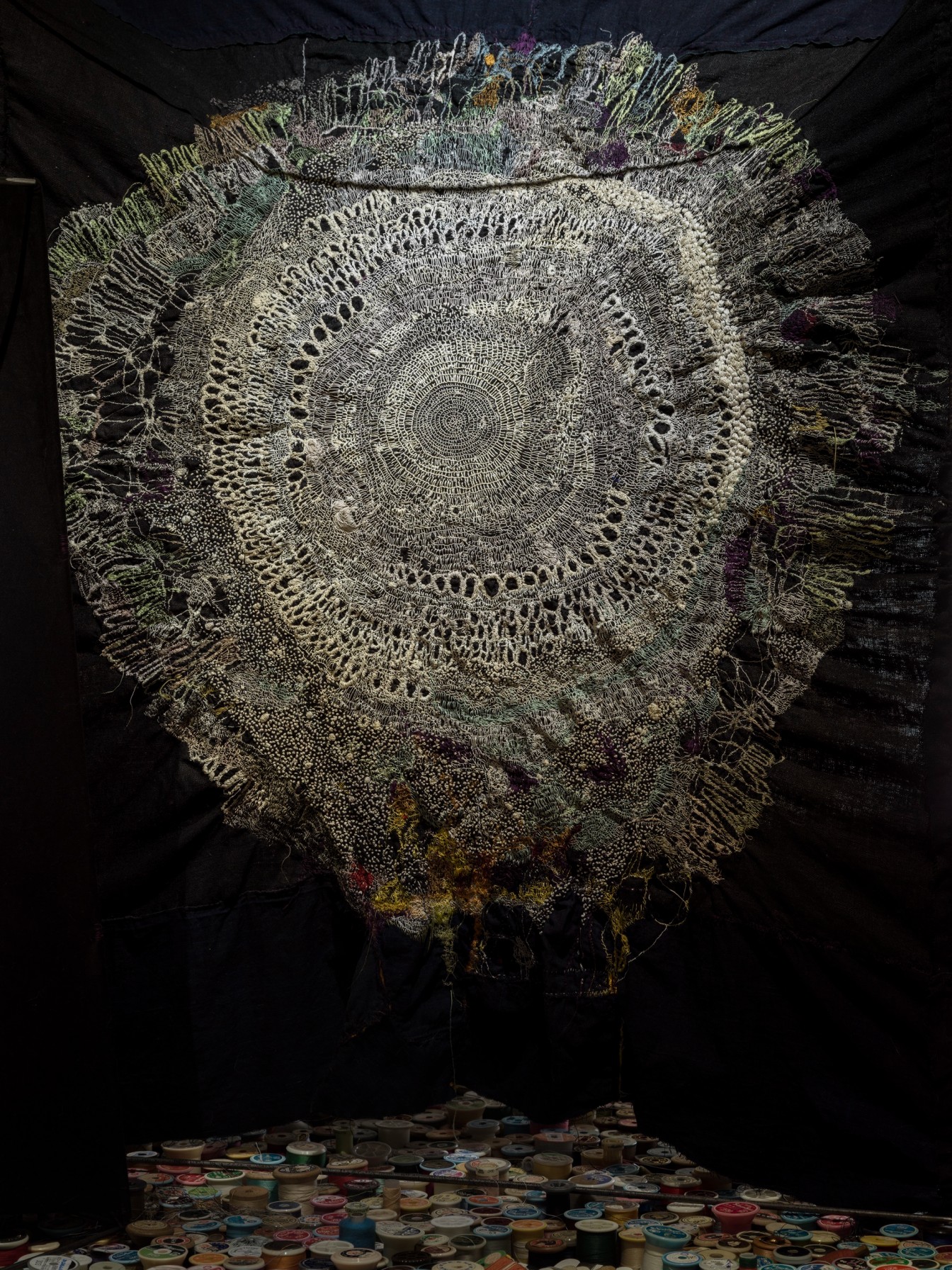
In the spring of 2020, Junko Oki gathered over 7,000 used thread spools from flyer distributions and social media. She then used these spools to create an art installation for an exhibition at the Hagi Uragami Museum, laying them out to cover the floor of the tea room.
“This is what my mother brought me when I first moved to Tokyo to live on my own”, “And this is from my mother-in-law who made a living sewing Japanese clothing.” Writing from the people who donated the spools of thread. Junko recalled, “There were people who sent in as many as a hundred spools, and people who just sent in three, as well as people who also sent me an accompanying letter. Each spool of thread came with its own story and embedded in each of these objects that created unsaid words.”
In terms of looking for fabric, an antique dealer acquaintance who finds many of the pieces Junko uses shared that, “if you immediately ask whether they have boro, most likely they will say that they don’t have any, because it is a symbol of poverty. But if you can strike a conversation with them and connect with them on a human level, they might offer you tea, and start to reveal their life story, and show you what they have.”
Back in the day, fabric was so valuable, even if they were working clothes and even if there were holes they would keep repairing. They had such little resources that if a cloth could wrap 3 pieces of rice they couldn’t bear to throw it away. They would piece these together and this was how boro was born.
“They weren’t trying to make a specific thing, and it remains something that they would like to hide, but now we have the privilege of using these as something beautiful. I think it is important to keep in mind that these discreet lives are the reason why these items exist.”
Amid the faint background of the radio or unaccompanied string music, Junko Oki would work alone in her studio for months on end, reveling in the twisted, twitching, and tangled process.
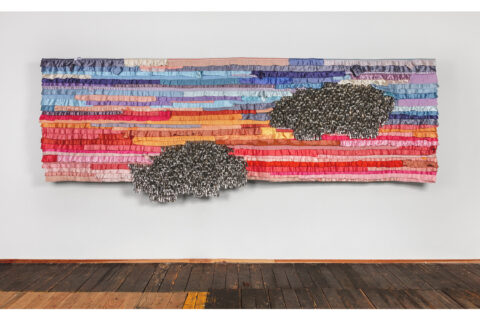
“I want to stitch different times together and to mix myself into them. I don’t necessarily want to string up the past and present, but that was how things developed with the passing of my mother being part of the reason I began this practice. The material doesn’t have to be very old, perhaps it can be something from last year. Sometimes when an existing work comes back to me I will cut it up and join it with a different piece, and I am piecing together my own chronologies as well.”